Skip to content

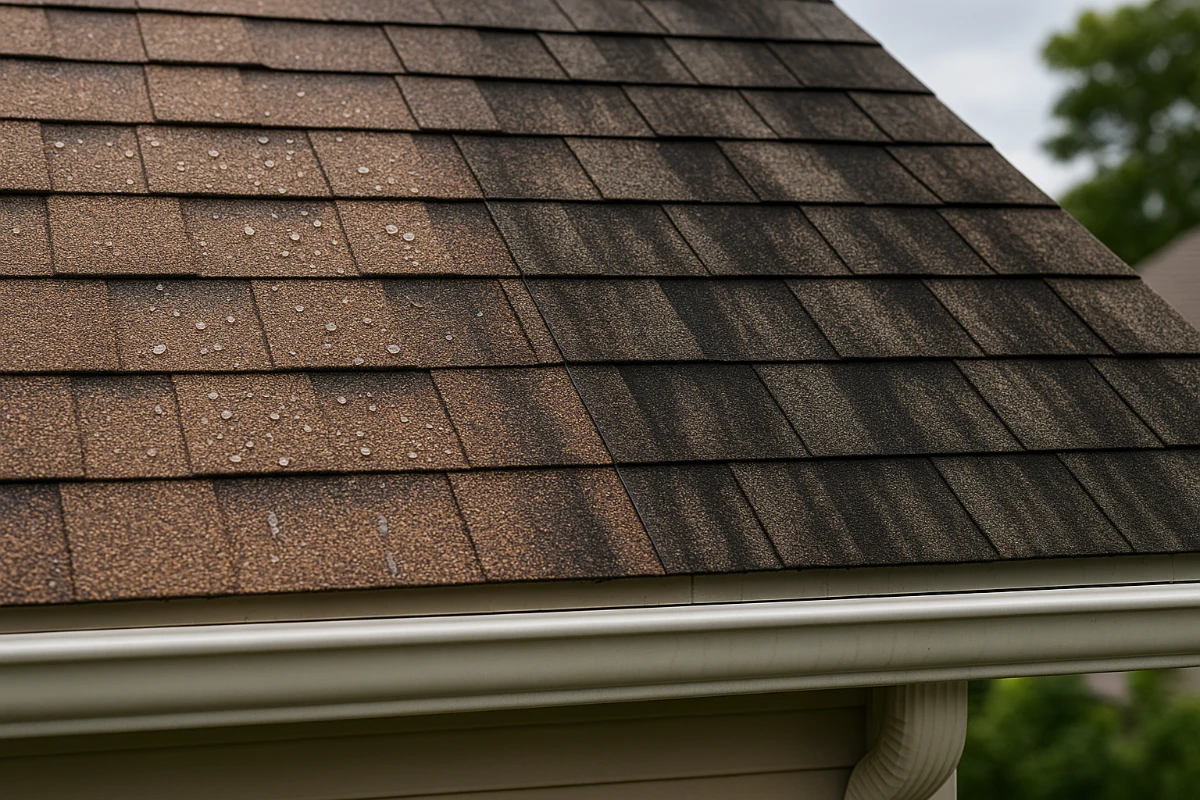
Black streaks creeping down a shingle roof can make a clean home look tired. In Florida’s heat and humidity, those stains tend to show up faster and stick around longer.
Most of the time, those streaks are colonies of a hardy blue-green algae called Gloeocapsa magma. It feeds on the limestone filler in many asphalt shingles and spreads as rain carries it down the roof. The result is a dark, uneven patina that catches the eye for all the wrong reasons.
Some homeowners turn to algae-resistant shingles that use copper-infused granules to keep growth in check. The promise sounds simple: fewer stains and a roof that stays lighter, longer. The real question is whether those granules truly stop the streaks.
Why do Roofs Get Black Streaks
Algae thrives in warm, humid climates. Roofs that hold moisture after afternoon storms make an easy home for growth. Shade from trees adds to the problem by limiting how quickly surfaces dry. North-facing slopes dry slowly as well.
Over time, spores land on the roof and begin to feed on the limestone filler found in many asphalt shingles. As they spread, rain pulls the colonies into streaks that travel from ridge to eave.
Besides the appearance issue, heavy growth can trap moisture and fine debris. That grime layer makes shingles hotter in the sun, which can raise attic temperatures and stress your cooling system. A clean, light-colored roof reflects more heat than a darkened one.
How Do Algae Resistant Shingles Work
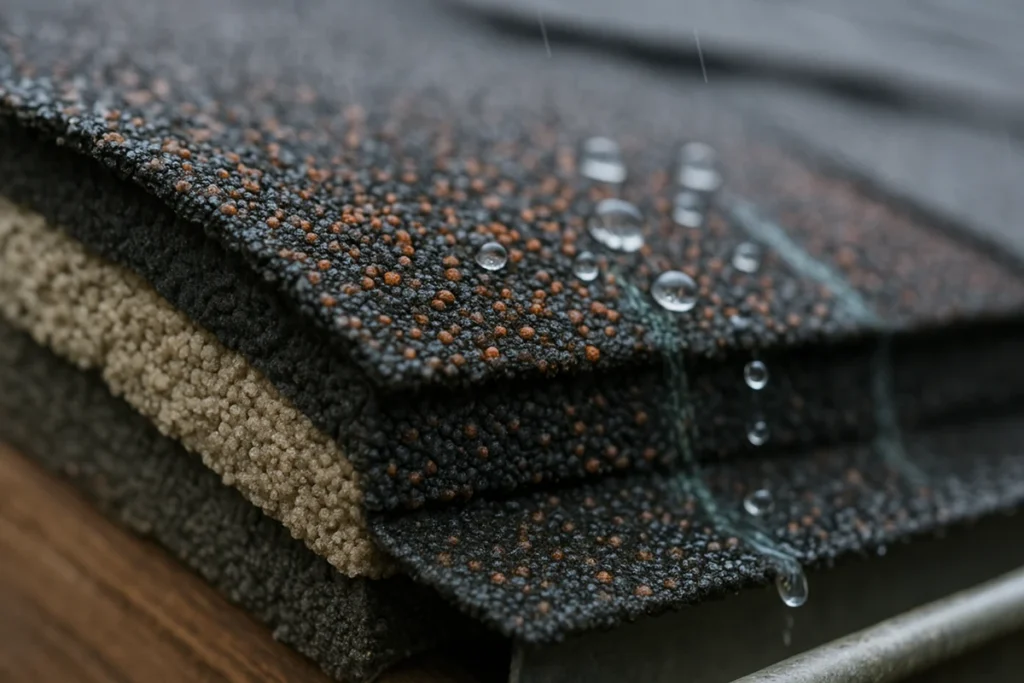
Regular asphalt shingles use a simple layered design. A fiberglass mat gives the shingle its shape and strength. Asphalt bonds to that mat to create a water-shedding surface. Mineral granules are pressed into the hot asphalt to protect it from sunlight, add color, and provide a tough outer layer that stands up to rain and wind.
Those granules are part of the look and the protection. They shield the asphalt from UV, help the roof dry after storms, and resist normal wear. In many products, the asphalt coating or mineral mix includes limestone filler. On roofs that stay damp, certain algae can use that filler as a food source and form the black streaks homeowners notice.
Algae-resistant shingles keep the same basic build, with one difference: on the surface, the manufacturer swaps a portion of the standard granules for ceramic granules that contain copper. When rain wets the roof, trace copper ions move across the shingle face. Algae do not thrive in that environment, so fewer colonies take hold and spread.
The copper is locked inside the ceramic granule, then released in tiny amounts when water flows. Steeper, sunnier slopes that dry quickly tend to make better use of this effect than shallow, shaded sections that hold moisture after afternoon storms.
What “Algae Resistant” Means
Algae resistance is a performance claim, not a promise that growth can never occur. Copper percentages and formulations vary by product line, and real results depend on how well the roof sheds water and dries. Think of it as a built-in head start that still benefits from good site habits.
What To Expect Over Time
Copper releases slowly over many seasons. Early on, more copper sits near the surface, so the benefit appears strong. Weathering gradually covers some copper with mineral dust, which can soften the visible effect without eliminating it.
What Affects Real-World Results
Two identical houses rarely perform the same, even with the same shingles. Local conditions make a big difference in whether streaks appear and how quickly they return.
- Overhanging branches block sun and drop organic debris that holds moisture. A roof that stays wet supports growth.
- North and east slopes dry slowly. West slopes can collect wind-blown debris during summer storms.
- Low-slope areas near valleys and behind dormers allow water to linger.
- Salt air, seabreeze patterns, and heavy pollen seasons leave films that need periodic rinsing.
- Hot attics can bake stains into the surface over time. Adequate intake and exhaust keep temperatures steadier.
- Proper shingle alignment, fasteners, and flashing reduce places where water can sit and feed growth.
When the site favors fast drying and light debris, algae-resistant shingles often look better for longer. On heavily shaded lots with mature oaks or along lakes, they still help, but maintenance habits matter too.
How Long The Protection Lasts
Copper-bearing granules are designed to release ions slowly over many years. That release rate is finite. Early in a roof’s life, there is more available copper at the surface. Over time, normal weathering can reduce the amount that reaches the outer layer. While the protection does not stop on a single day, the effect can taper.
Most manufacturers address staining with a limited algae resistance warranty. These warranties typically promise that the shingles will resist staining for a stated number of years. They often cover cleaning or product remedies if qualifying stains appear within that period.
Always read the specific terms, including what is considered a stain and what maintenance is required.
When Streaks Still Appear

Even with algae-resistant granules, some roofs show streaks sooner than expected. Common reasons include heavy shade, clogged gutters that let water spill across the field, or debris mats that trap moisture after storms. In these cases, a few small changes can help:
- Trim back branches that hang over the roof.
- Keep gutters clean so water drains instead of sheet flowing over the shingle surface.
- Clear leaf and pollen buildup in spring.
- Rinse with a gentle garden hose spray during peak pollen periods if dust is visible.
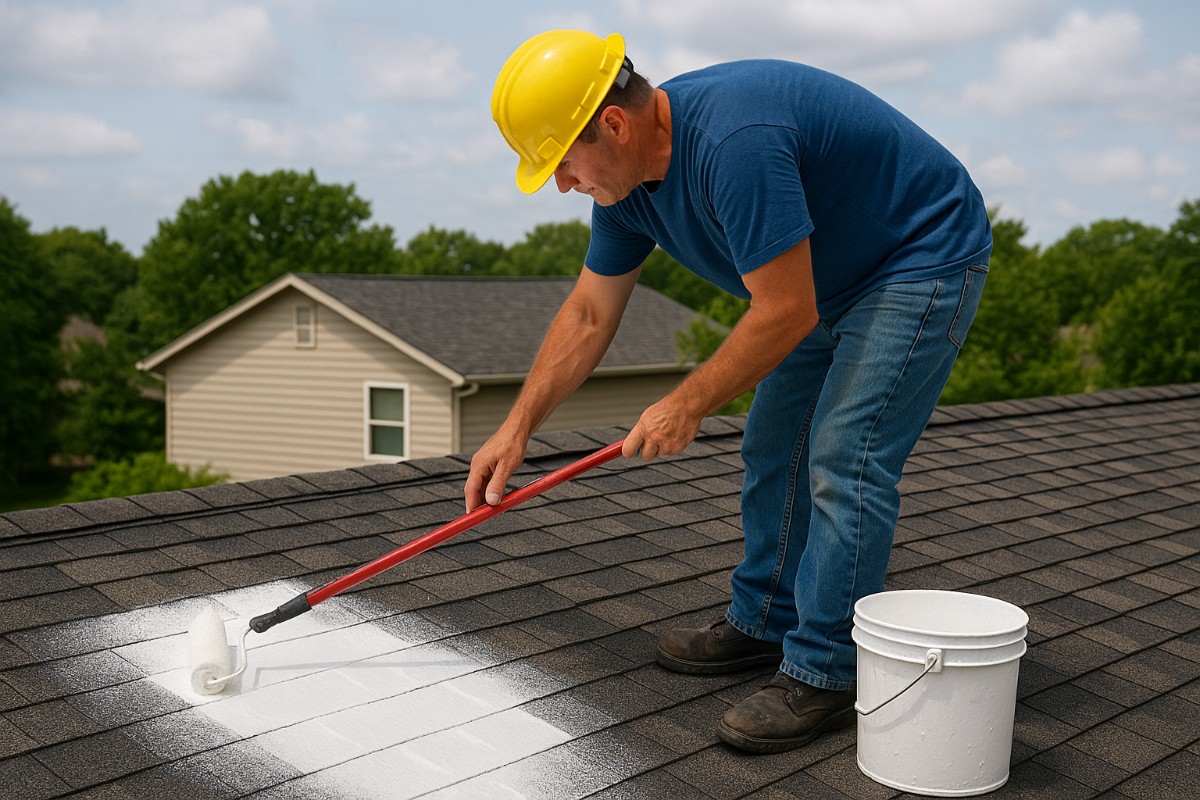
For existing stains, choose safe cleaning methods. Avoid high-pressure washing, which can strip granules and shorten shingle life.
Harsh mixtures with strong concentrations of bleach can damage landscaping and metal components. Manufacturers often suggest light cleaning with a low-pressure application of a diluted cleaning solution that is safe for asphalt shingles, followed by a gentle rinse. Professional cleaning is a smarter route for most homeowners because it protects both the roof and the landscaping.
Are Algae-Resistant Shingles Worth It In Florida?
For many Florida homes, upgrading to algae-resistant shingles makes sense. The price difference compared to standard shingles is usually modest when rolled into a full replacement.
There are times when the upgrade alone will not deliver the look you want. A roof with chronic moisture problems, minimal sun exposure, and thick debris needs a combined approach. Pair algae-resistant shingles with maintenance habits and, if appropriate, metal strips at the ridge. Good attic ventilation and clean gutters round out the plan.
Stronghold Roofing & Solar: Lakeland Roofers You Can Trust
Every home in the Lakeland area faces a different mix of shade, sun, and storm patterns. Our team looks at tree cover, roof geometry, ventilation, and your goals for color and curb appeal. If algae-resistant shingles are right for your home, we will recommend products that fit your budget and local conditions. If your lot needs extra help, we can pair the right shingles with maintenance tips or metal strips at the ridge to keep the roof looking its best.
When it’s time for a roofing company, call the best! Contact Stronghold Roofing & Solar for a free roof estimate.
FAQs
Do algae-resistant granules completely prevent black streaks?
They significantly reduce staining and often keep roofs cleaner for years, especially on sunny, well-draining slopes. In heavy shade or debris-prone areas, some streaking can still develop over time.
Is the algae harmful to shingles or just cosmetic?
It is mostly a cosmetic issue, but thick growth can trap moisture and debris. That film can raise roof temperatures and make shingles age faster than a clean surface would.
Can I add copper or zinc to an existing roof to help?
Copper or zinc strips near the ridge release trace ions when it rains. The runoff helps discourage growth below. This works best on simple roofs and should be installed by a professional.
How should I clean a stained roof without voiding a warranty?
Avoid pressure washing. Many manufacturers allow gentle, low-pressure application of approved cleaning solutions followed by a rinse. A professional cleaning service that follows manufacturer guidance is the safest choice.
Will a metal roof solve this problem entirely?
Metal sheds growth more easily than shingles and is less prone to black streaks. In shaded, damp areas, light film can still appear. Routine rinsing and debris removal keep metal looking clean.