Skip to content

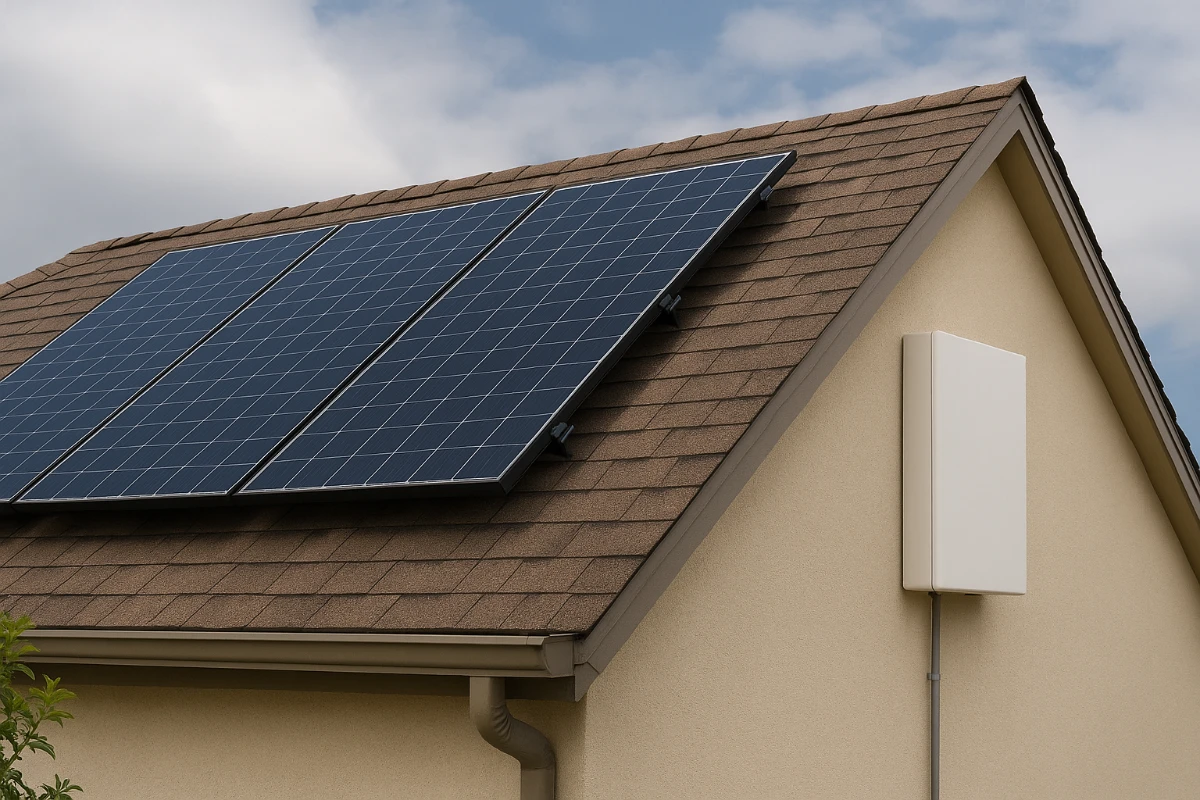
Living in the “Sunshine State,” Floridians are increasingly turning to solar power to provide electricity for their homes. Solar with a battery can cut bills and keep your home running during outages.
However, before you sign a contract, make sure the roof can carry the load, hold up in Florida winds, and stay dry after the hardware goes in.
Readiness Basics: Structure, Loads, and Roof Health
Panels and rails do not weigh much compared to your roof, but wind is no small thing in Central Florida. Gusts pull up on mounts, with the strongest forces at edges and corners. Your roof has to do two jobs at once: carry the everyday weight and resist uplift without letting water enter.
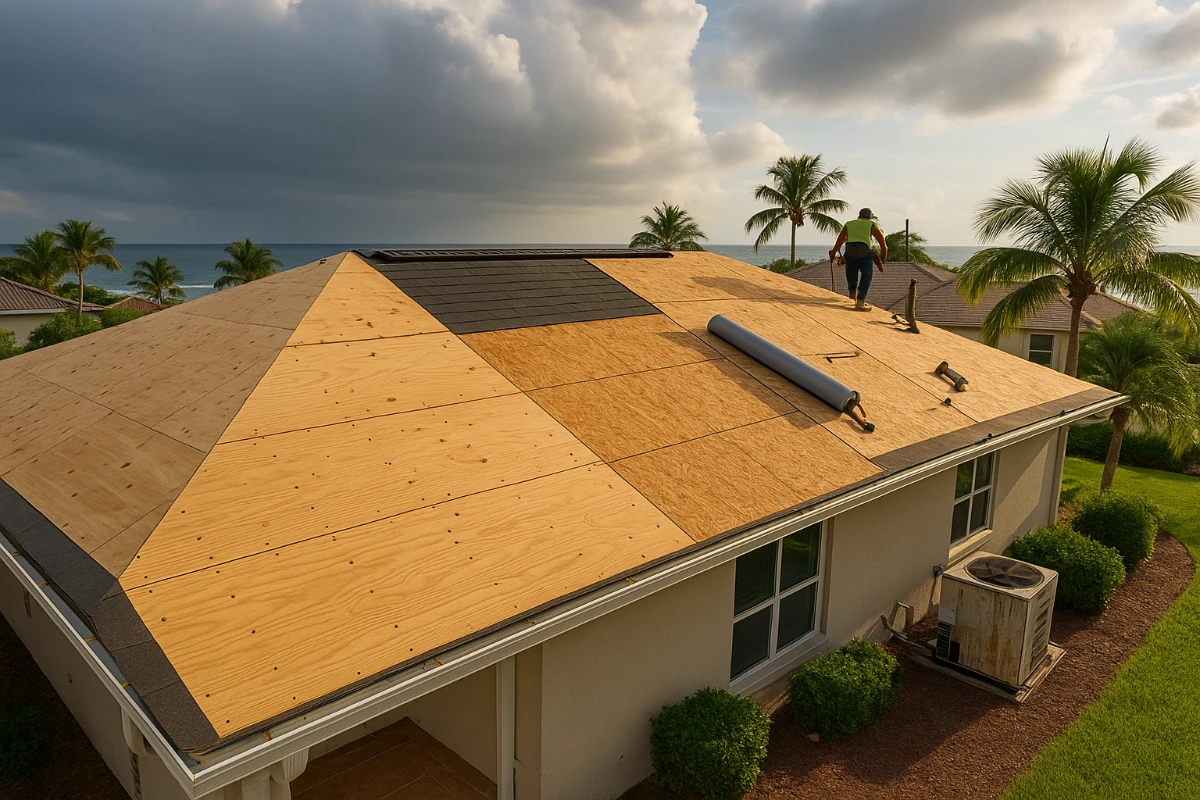
Think of the roof as a system working top to bottom.
- Framing carries loads to the walls. Trusses and rafters should be sound and sized correctly.
- Sheathing spreads forces into that frame. Thickness and fastening patterns matter.
- Underlayment and the roof covering shed water. Flashing must tie cleanly into these layers.
- Fasteners keep the whole plan together. Rusted or loose screws weaken everything around them.
Small flaws become big problems under stress. A soft patch of deck near a vent, brittle shingles around a penetration, or a loose seam on metal can turn into a leak when the array starts working as a sail. Catch and fix those issues before anyone drills.
Roof Material: What Changes With Each Type
Solar works on many roofs in Central Florida. The material on your home drives the attachment method, the flashing details, and how the crew sequences the work.
Asphalt Shingles

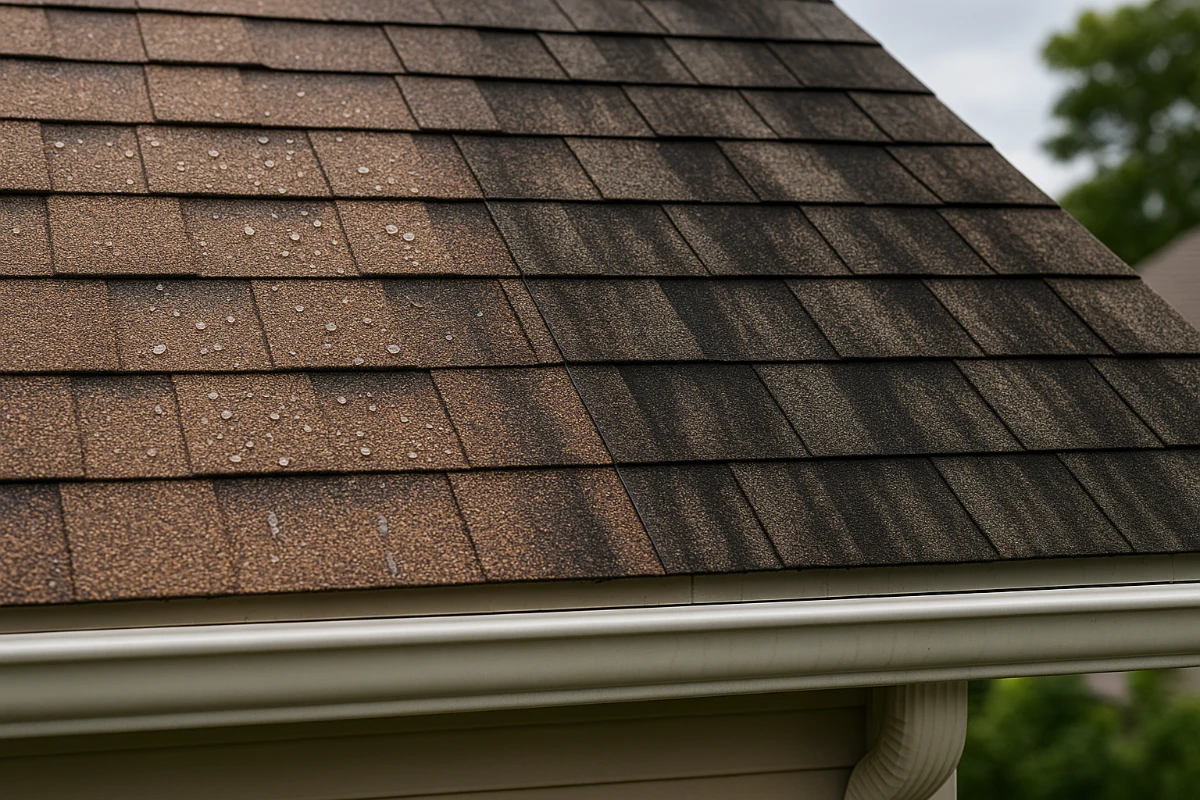
Most shingle installs tie mounts to the framing or deck with flashing tucked under the shingle courses. The job goes smoothly when the deck is solid and the shingles still flex.
If shingles crack when lifted or the old felt tears, the crew has to slow down and rethink how to keep water out. That is a signal the roof needs attention, not a reason to force hardware through weak materials.
Homeowner tip: Ask your installer to point out where mounts will hit rafters and show the exact flashing used for your shingle and underlayment combination. Seeing the parts makes expectations clear.
Tile
Concrete and clay tile look great but demand careful handling. Crews lift or cut individual tiles to reach the structure below, then seal and flash hardware at the deck level. The underlayment under those tiles is the real water barrier. If it is brittle or aged, it will not protect the deck after tiles are disturbed.
Plan for breakage, have spares ready, and keep the work area organized so tiles go back down cleanly.
Homeowner tip: Confirm that replacement tiles are available and that the crew has a plan for matching any that crack during the process.
Metal
Two common setups matter for solar. Standing seam often allows clamp attachments that grip seams without new holes. That is a clean solution when the clamp matches the seam profile and is torqued correctly. Through-fastened panels can also host solar, but mounts usually penetrate to purlins or solid deck and must be sealed with care.
Watch for corrosion around old screws, thin panels that flex, or unknown deck thickness. In windier exposures, an engineer may call for pull tests to prove the plan on your actual roof.
Homeowner tip: Ask which clamp fits your standing seam profile, or, for through-fastened roofs, how mounts line up with framing below.
Low slope and flat roofs
Low slope roofs rely on a healthy membrane and clear drainage. Solar can attach with specialty mounts or sit on ballasted racks. Both approaches need sound seams and no ponding water.
Long spans can flex, so the layout and attachment spacing matter more than on a small gable. If water lingers after rain, address drainage first so the array is not sitting over a problem.
Codes, Permitting, and What a Good Evaluation Includes

Permitting in a wind-prone region protects the homeowner. Plans should show that racking, clamps, fasteners, and flashings are rated for local conditions and installed exactly as the manufacturer requires. Components carry approvals for a reason. Using the listed combinations is how roofs stay intact when storm season arrives.
A solid evaluation usually includes:
- Framing. Size, spacing, and condition of trusses or rafters.
- Sheathing. Thickness, grade, and fastening pattern. Look for stains or delamination.
- Roof covering. Overall condition and any brittle or patched areas that complicate flashing.
- Layout and attachments. Extra attention to edges, corners, and ridges where wind pressures peak.
- Product selection. Racking, clamps, and flashing matched to your roof type with proper approvals.
- Verification. Pull tests or an engineering letter when exposure or conditions call for it.
Ask for the cut sheets and installation bulletins for the exact parts going on your roof. Good contractors have them ready and follow them in the field.
Battery Placement Basics
Batteries store surplus solar energy so you can use it later. That helps during outages and lets you shift some evening use to power you made earlier in the day.
Batteries do not sit on the roof, but they still affect planning. Most are mounted on a wall or set on a floor pad. The installer will check that the wall can carry the weight, that clearances are available for service, and that the spot is protected from water and vehicle impact.
Garages and conditioned spaces are common. Exterior locations can work with the right protection as long as they stay within the manufacturer’s temperature limits. Decide on the location early so wiring routes and inspection notes are correct from the start.
If Your Roof Is Not Ready Yet
Many homes can be brought up to spec with targeted work. Others benefit from a re-roof before solar. The goal is a dry, durable system that you do not have to think about every storm season.
Helpful upgrades
- Re-nailing or adding fasteners to sheathing to meet current schedules.
- Replacing damaged or soft decking so mounts hold as designed.
- Localized reinforcement when inspectors or engineers see something that needs a fix.
Smart Sequencing
If a roof is already nearing time for replacement, do the re-roof first and solar right after. That avoids paying to remove and reinstall panels later and gives the crew a clean surface for flashing.
Material choices can simplify future work. Standing seam metal often allows clamp attachments on the right profiles. Modern synthetic underlayments and roof-specific flashings help shingle installs shed water cleanly.
Solar Shingles: Integrated Look, Different Tradeoffs
Another option for homeowners to consider is solar shingles. These combine the roof covering and the power-producing surface into one product. The appeal is clear. Clean lines, no visible racks, and a new roof that generates electricity.
Solar shingles can be the right choice for homeowners who value a seamless look and are already planning a reroof.
Stronghold Roofing & Solar – Your Lakeland Roofers
For any roofing needs in Lakeland and the surrounding area, Stronghold Roofing & Solar is here to help. From installation to repairs and maintenance, our solar and roofing company offers a full range of roofing services.
Reach out today for a free roof estimate!
FAQs – Solar Plus a Battery
Will solar void my roof warranty?
Solar should not voice your warranty when the installation follows the roofing manufacturer’s instructions with tested attachments and proper flashing. Ask contractors to document how they will protect the warranty.
Do solar panels cause leaks?
Leaks come from rushed penetrations or improvised flashing. A correct install uses hardware designed for your roof material and integrates flashing with the underlayment so water is directed away from mounts.
How long should my roof last with solar installed?
Panels can shade parts of the surface, but normal aging still occurs. If the roof is close to replacement, schedule the re-roof before installing solar so you do not pay to remove panels later.
Do batteries have to be indoors?
Many systems allow garage or exterior placements. The location must meet clearance, anchoring, temperature, and protection rules from the manufacturer and your local authority.
What if I have a flat roof?
Solar on low slope roofs can use ballast or specialty attachments. Both require a sound membrane and an engineered plan for wind. Fix drainage issues before installing racks.