Skip to content

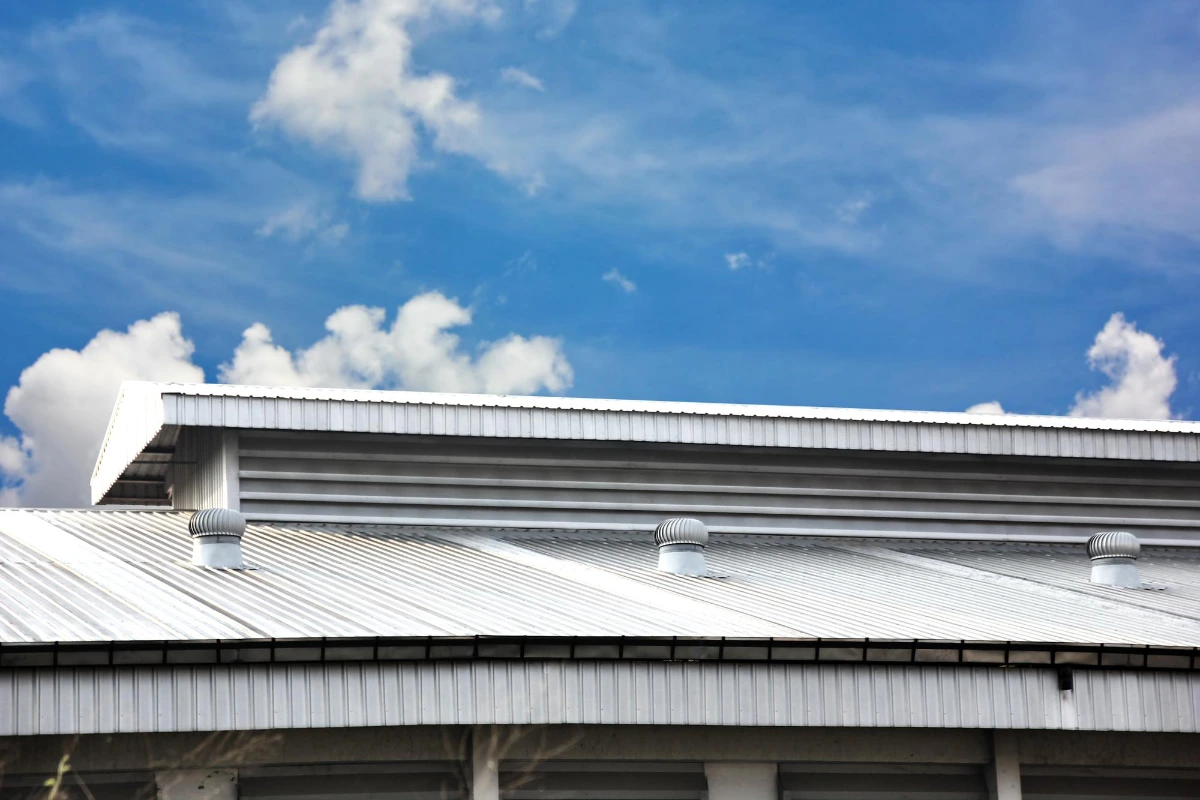
Florida homeowners know that heat is just part of life, but the combination of high temperatures and relentless humidity can push your cooling system to its limit. That’s one reason cool roofs have been gaining attention.
Designed to reflect more sunlight and absorb less heat than traditional roofing materials, these systems promise a more comfortable home and lower energy bills. But do they deliver in Florida’s famously humid climate?
What Makes a Roof “Cool”?
Most people think of a roof as just a protective barrier, but it also plays a major role in your home’s temperature. On a typical summer day in Florida, the surface of a standard roof can easily reach 150°F or more. That heat radiates into the attic and living spaces below, forcing your AC to work harder and driving up your energy bills.
Cool roofs are designed to solve that problem. Instead of absorbing the sun’s rays, they reflect a much larger portion of solar energy. That keeps the surface temperature lower and helps prevent heat from building up inside your home.
What makes a roof “cool” isn’t just the color. It’s about the materials and coatings that improve solar reflectance and thermal emittance. Options range from light-colored metal roofing to reflective shingles and flat-roof membranes with special coatings. The goal is to keep your home cooler without relying solely on air conditioning.
Why Humidity Changes the Equation

Heat is only part of the challenge for homeowners in central Florida. While a cool roof can help reduce the temperature inside your home, it doesn’t directly address the region’s persistent humidity.
Florida ranks among the most humid states in the U.S., with an average relative humidity of 74.5 percent year-round according to the Florida Climate Center.
That level of moisture in the air can lead to problems inside your home if your roofing system isn’t properly designed. When warm, humid air rises and meets a cooler surface, such as the underside of a roof deck, condensation can form. Over time, that moisture may contribute to mold, mildew, and even structural issues.
Cool roofs can reduce heat, but they won’t stop humidity from building up without good ventilation. In Florida’s climate, keeping your attic dry and your airflow consistent is just as important as choosing reflective materials.
Pros and Cons of Cool Roofs in Humid Areas
Cool roofs are often marketed as a one-size-fits-all solution for hot climates, but homeowners in humid regions like Lakeland need to dig a little deeper. Reflecting sunlight is helpful, but it’s not the only factor that determines whether a roof performs well in Florida’s sticky, moisture-heavy environment. Here’s what to consider before investing in a cool roof.
Cool-Roof Benefits That Matter in Florida
- Reduced attic temperatures
A cool roof can lower surface temperatures by 30 to 50 degrees Fahrenheit on a hot day. That helps keep attic spaces and upper floors from overheating, especially in homes with limited insulation. - Lower energy bills.
With less heat entering the home, your AC system doesn’t have to work as hard. Over time, this can lead to noticeable savings, particularly during peak summer months. - Improved comfort.
For homeowners who struggle to keep second floors or attics cool, the temperature difference can be significant. Cool roofs can make those spaces more livable, especially in the afternoon and early evening when heat tends to build. - Longer material lifespan.
Reducing heat stress on roofing materials can slow down aging. Shingles may hold up better over time, and adhesives or underlayments are less likely to degrade quickly in extreme heat.
Drawbacks to Cool Roofs in Humid Climates
- Moisture buildup.
Cool surfaces can sometimes promote condensation, especially if warm, humid air inside the attic meets a cooler roof deck. Without proper ventilation, this can lead to mold growth, soggy insulation, or even wood rot over time. - Algae and mildew.
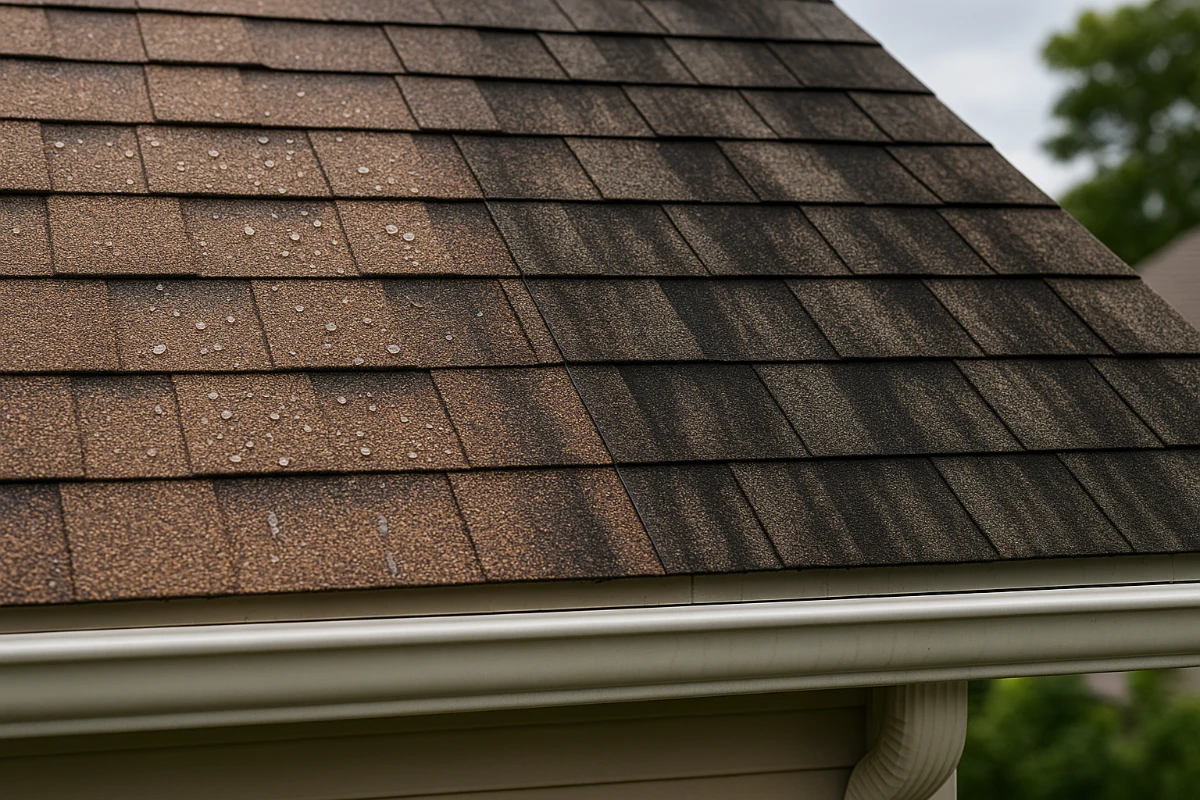
Light-colored materials common in cool roof systems are more likely to show stains from algae or mildew, which thrive in humid conditions. While the growth itself may not always be harmful, it can affect the appearance of the roof and may require more frequent maintenance. - Cost and complexity.
Cool roofing systems often cost more upfront than standard options. And in a humid climate, additional ventilation or specialized coatings might be necessary to avoid moisture issues, which adds to the installation cost. - Limited benefit if ventilation is poor.
A reflective roof can’t do all the work on its own. If the home has a poorly ventilated attic or inadequate insulation, the benefits of a cool roof may be limited or offset by hidden moisture problems.
Best Cool Roof Materials for Humid Climates
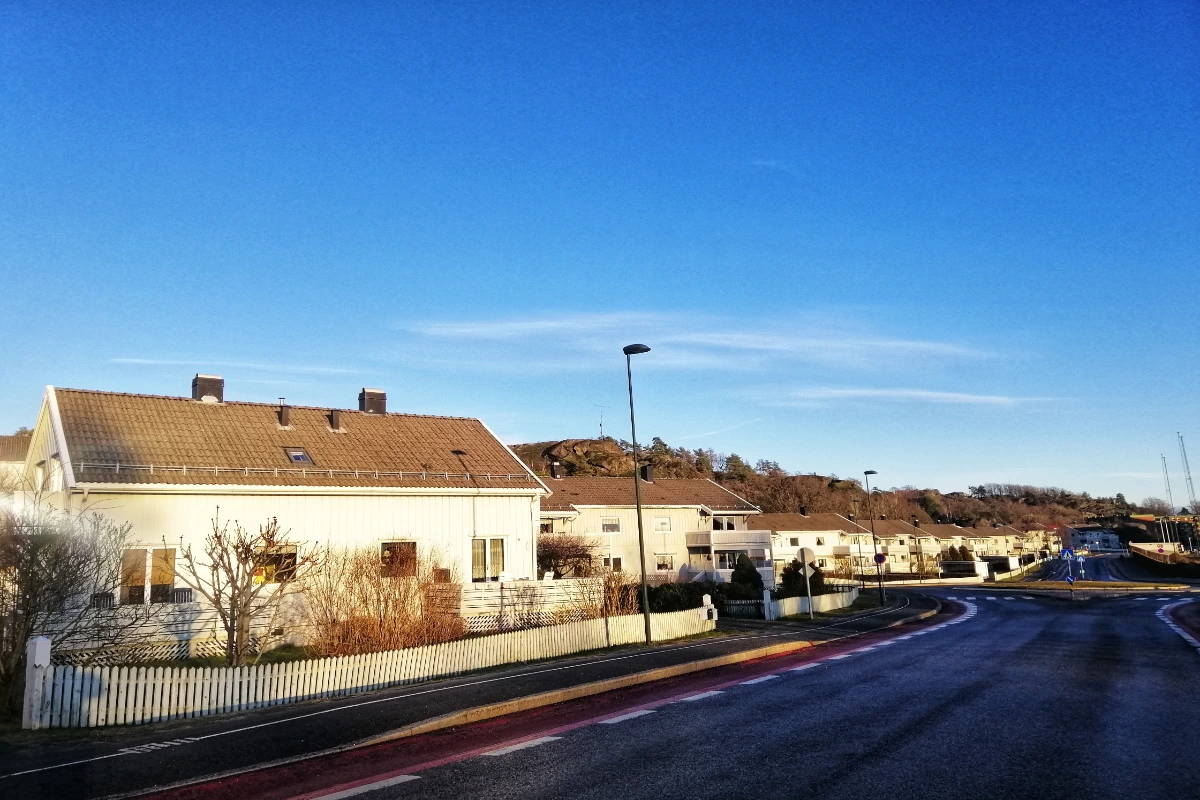
Not every cool roofing material performs equally well in Florida’s damp environment. Some are more resistant to mildew, algae, or moisture absorption, while others may require extra maintenance to stay effective. If you’re considering a cool roof in a place like Lakeland, these are the materials worth a closer look.
Metal Roofing
Metal is one of the most durable and reflective roofing options available. When finished with a high-quality reflective coating, it can significantly lower surface temperatures and resist moisture intrusion. Unlike asphalt shingles, metal doesn’t absorb water, and it’s less susceptible to mold or rot. However, it can still develop mildew or stains if debris is left to accumulate, especially in shaded or tree-covered areas.
Metal roofs tend to cost more upfront, but they offer a long service life and require less maintenance than other options when properly installed.
Reflective Asphalt Shingles
For homeowners who prefer the look and cost of traditional shingles, cool roof-rated asphalt options are available. These shingles are engineered with granules that reflect more sunlight than standard varieties. They’re more affordable than metal and work well in many Florida homes, but they can be more prone to algae growth and may need more frequent cleaning or treatment to maintain appearance and performance.
Coatings and Membranes
Flat or low-slope roofs often benefit from reflective coatings or single-ply membranes like TPO or PVC. These materials are designed to reflect sunlight and resist moisture intrusion, making them a good fit for Florida’s climate. Some coatings can be applied over existing roofing systems, offering an upgrade in reflectivity without a full replacement.
The key to success with these systems is proper surface preparation and regular maintenance. In humid environments, even small cracks or gaps in the coating can allow water to penetrate.
Is a Cool Roof Right for Your Florida Home?
A cool roof can make a noticeable difference in how your home handles the summer heat, but it isn’t always the automatic best choice, especially in a place where humidity is just as relentless as the sun.
The real question isn’t whether cool roofs work. It’s whether your home is set up to get the full benefit. Homes with good attic ventilation, proper insulation, and roofing systems that allow moisture to escape are ideal candidates. In those cases, a cool roof can lead to lower energy bills, greater comfort, and longer-lasting materials.
But if your attic is poorly ventilated or you’ve already had issues with mold, condensation, or trapped moisture, a reflective roof surface alone won’t fix the problem. In fact, it could make things worse by cooling the roof deck just enough to encourage condensation without addressing the underlying humidity.
The decision comes down to more than just the roof itself. Your home’s design, your budget, and your long-term goals all factor in. That’s why it helps to work with a roofer who understands Florida’s unique climate and can recommend a full system not just a surface.
Work With Lakeland Roofers Who Know the Climate
Installing a cool roof isn’t just about choosing a reflective material. In a humid place like Lakeland, it also means understanding how moisture moves through a home and how to prevent that moisture from getting trapped under your roof.
That’s where working with the right roofing company makes a difference. Stronghold Roofing & Solar knows how to design roofing systems that balance energy efficiency with long-term durability. From material selection to ventilation planning, we help homeowners make smart choices that hold up in Florida’s demanding conditions.
If you’re considering a cool roof, contact Stronghold Roofing & Solar for expert guidance and a free roof estimate.
FAQs – Cool Roofs in Humid Climates
What is the main benefit of a cool roof?
The primary benefit is reduced heat absorption, which can lower attic temperatures and help cut down on energy bills by reducing the strain on your air conditioning system.
Do cool roofs help with humidity?
Cool roofs don’t directly reduce humidity inside your home. However, they can contribute to lower attic temperatures, which may help limit moisture buildup when combined with proper ventilation.
Are cool roofs more expensive to install?
Cool roofing materials can cost more upfront than standard options, but the added expense may be offset by long-term energy savings and reduced wear on HVAC systems.
Can algae or mildew grow on cool roofs?
Yes, especially in humid climates. Light-colored or reflective surfaces are more likely to show staining from algae or mildew, which means these roofs may require more frequent cleaning.
How do I know if a cool roof is right for my home?
The best way to decide is to evaluate your home’s existing ventilation, insulation, and roofing structure. A roofing professional can help you determine if a cool roof will deliver real benefits for your specific situation.