Skip to content

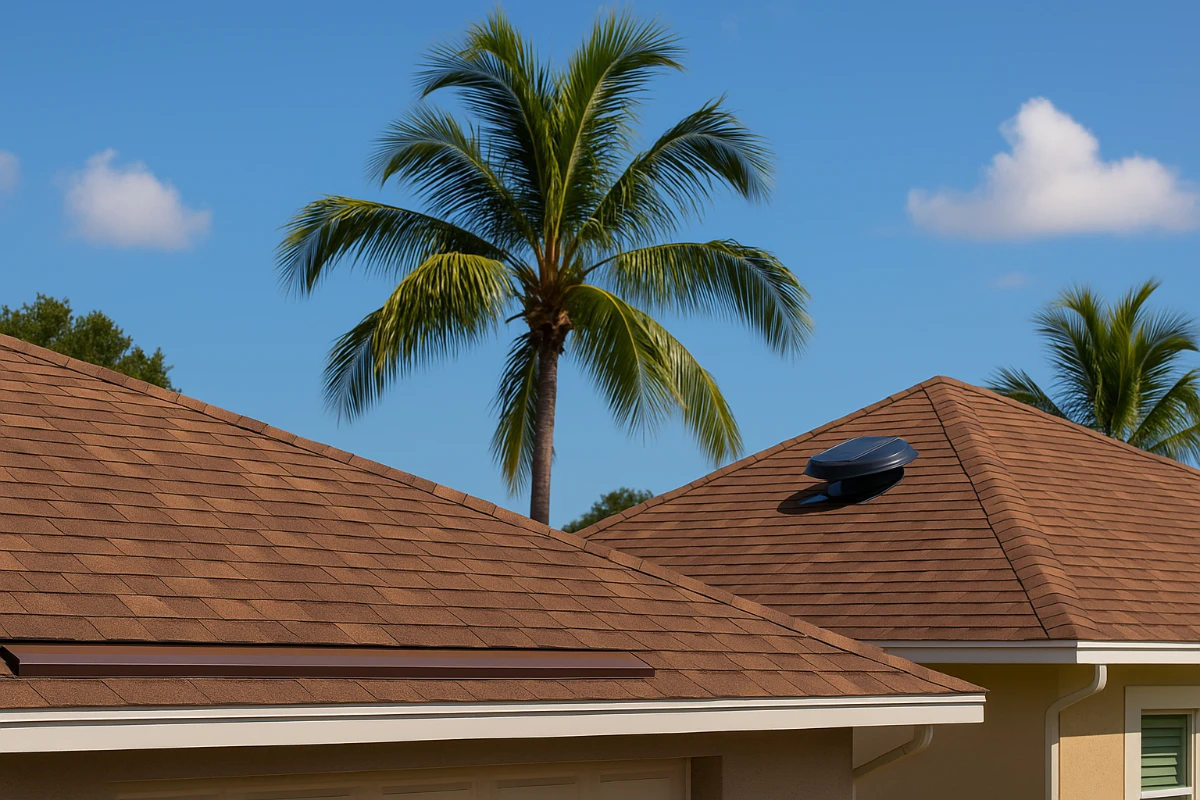
Florida summers can push attic temperatures well past 120 degrees, turning your roof into a heat trap that not only drives up energy bills but also puts your roofing system at risk. Excessive attic heat accelerates wear on shingles, underlayment, and wood framing, while trapped moisture can lead to mold and mildew. Over time, that combination can shorten the life of your roof.
The impact is felt inside the home as well. When heat builds up in the attic, it radiates downward and forces the air conditioning system to work harder, raising utility costs. Research in Florida has shown that homes with sealed attics used 5 to 10 percent more cooling energy each year compared to those with proper ventilation.
To keep homes comfortable and protect their investment, many homeowners look to attic ventilation. Two of the most common solutions are ridge vents and solar attic fans. Both improve airflow, but they work in very different ways, and the choice between them can make a big difference in how well a home handles Florida’s climate.
Why Attic Ventilation Matters in Florida

An attic that overheats is more than just uncomfortable.
In Florida’s climate, where summer temperatures and humidity stay high for months at a time, a poorly ventilated attic can turn into a costly problem. Without enough airflow, hot air builds up and radiates down into the living space, forcing the air conditioner to run longer and harder. That means higher utility bills and more wear on your cooling system.
Ventilation also plays a role in protecting your roof. When heat and moisture remain trapped in the attic, shingles can age faster, wood framing may warp, and insulation can lose effectiveness. Over time, this combination can shorten the overall life of a roof. In coastal areas where humidity is especially high, trapped moisture can even create conditions for mold and mildew growth.
Good attic ventilation keeps air moving so that heat and humidity don’t have a chance to accumulate. Whether through passive systems like ridge vents or active systems like solar attic fans, the goal is the same: balance indoor comfort, reduce energy strain, and extend the lifespan of the roof.
Ridge Vents Explained
Ridge vents are designed to work with nature rather than against it. Running along the highest point of the roof, they create a pathway for hot air to escape.
As warm air rises, cooler air is drawn in through soffit vents, creating a steady circulation that reduces attic temperatures. When the system is balanced properly, it can keep attic air within 10 to 15 degrees of the outdoor temperature, even in Florida’s summer heat.
Advantages of ridge vents
- Consistent airflow that helps prevent hot spots in the attic
- A low-profile design that blends in with the roofline
- No moving parts, which means little to no maintenance
- Energy efficiency that reduces the load on your air conditioning system
Potential drawbacks
- Dependence on soffit vents, which must be open and unobstructed
- Installation quality is critical to prevent leaks or underperformance
- Limited effectiveness in homes with short ridges or complex rooflines
In Florida, ridge vents are especially effective on homes with simple pitched roofs and good soffit ventilation. They offer a “set it and forget it” option that works passively, lowering attic heat without the need for electricity or moving components.
However, homeowners with shaded soffits, tight rooflines, or more complex designs may find that ridge vents alone are not enough to control attic temperatures.
Solar Attic Fans Explained
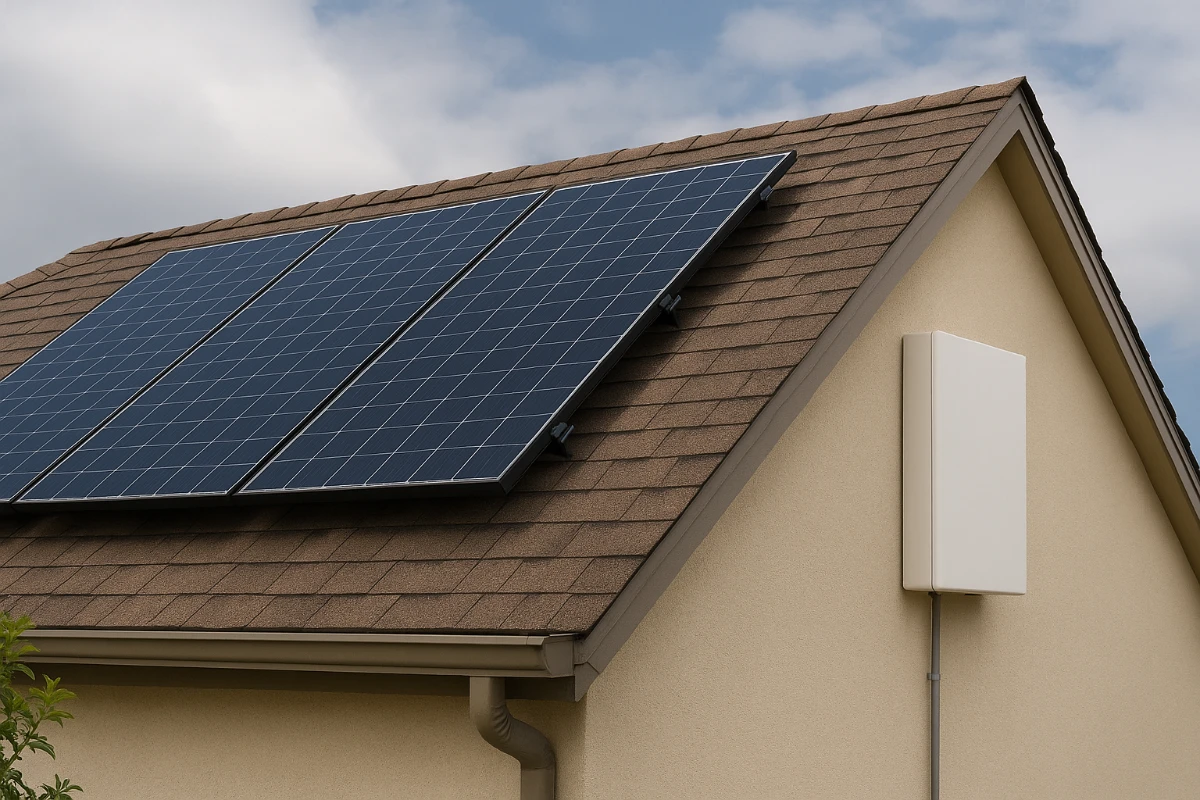
Solar attic fans take a more active approach to cooling your attic. Instead of relying solely on natural airflow, they use a small solar-powered motor to pull hot air out and push it outside.
Because they are powered by the sun, they run hardest during the hottest parts of the day — right when your attic needs relief the most.
Advantages of solar attic fans
- Active ventilation that can reduce attic temperatures by 10 to 25 degrees
- Energy savings without increasing the electric bill
- Improved moisture control in Florida’s humid climate
- Ability to target specific hot spots in the attic
Potential drawbacks
- Higher upfront cost compared to ridge vents
- Maintenance needs due to motors and moving parts
- Reduced performance if shaded by trees or nearby structures
- Greater vulnerability to storm damage because they extend above the roofline
For Florida homeowners, solar attic fans can be especially appealing in homes with limited ridge length or complex roof designs where natural airflow is harder to achieve. They provide measurable relief in the hottest months, particularly for attics that tend to trap heat in specific zones.
While the cost is higher, the benefit of active ventilation can make them worth the investment for families looking to improve comfort and reduce strain on their air conditioning systems.

Ridge Vent or Solar Fan – Making the Right Choice for Your Home
No two Florida homes are alike, which means the best attic ventilation solution often depends on the details of your roof and your household priorities. Ridge vents and solar attic fans both have advantages, but the right choice comes down to what you need most.
Think about your home’s design. A simple roof with a long ridge and plenty of soffit vents is a natural fit for ridge vents. If your home has multiple roof peaks, dormers, or shorter ridges, a solar fan may be more effective at pulling out trapped heat.
Consider your budget. Ridge vents are generally more affordable, especially if they are installed during a roof replacement. Solar attic fans come with a higher price tag, but they may offer bigger energy savings in homes that struggle with hot attics.
Look at your energy goals. If your primary concern is lowering utility bills and reducing strain on your air conditioning system, an active system like a solar fan may be worth the investment. If you want a low-maintenance, cost-effective solution, ridge vents are hard to beat.
Factor in Florida’s storms. A ridge vent that is properly installed can stand up well to high winds and driving rain. Solar attic fans can also perform well, but they need to be secured carefully to withstand hurricane conditions.
Ultimately, the best way to make the right choice is to have a professional roofing company evaluate your attic, roof design, and ventilation needs. A tailored approach ensures your home gets the right balance of airflow to keep your attic cooler, your roof protected, and your energy bills under control.
Your Lakeland Roofers – Stronghold Roofing & Solar
Attic ventilation may not be the most visible part of your roof, but it plays a big role in how comfortable and energy efficient your home feels in Lakeland’s climate. Choosing between ridge vents and solar attic fans isn’t always straightforward, which is why expert guidance makes such a difference.
The team at Stronghold Roofing & Solar understands how Florida heat, humidity, and storms affect your roof over time. Our experienced professionals evaluate your attic and roof design to recommend solutions that fit your home and budget. Whether you need the passive reliability of ridge vents or the active cooling power of solar attic fans, Stronghold provides installations built to last.
If you’re ready to keep your home cooler, lower your energy bills, and extend the life of your roof, Stronghold Roofing & Solar is here to help. Call today for a free roof estimate.
FAQs
Do ridge vents work well in humid climates?
Ridge vents are effective in humid areas like Florida as long as soffit vents are also open and unobstructed. They provide steady airflow that helps reduce both heat and moisture buildup in the attic.
How much can a solar attic fan reduce attic temperature?
A properly sized solar attic fan can lower attic temperatures by 10 to 25 degrees, depending on the home’s design and sunlight exposure. This reduction helps ease the load on air conditioning systems during the hottest parts of the day.
Can I combine ridge vents and a solar attic fan?
In some cases, yes. Ridge vents can provide continuous passive ventilation, while a solar attic fan gives extra cooling power during peak heat. A professional inspection can determine whether combining the two is the right fit for your home.
Do attic ventilation systems help extend the life of a roof?
They can. By lowering heat and reducing moisture, both ridge vents and solar fans help protect shingles, underlayment, and wood framing from premature wear, which can add years to a roof’s lifespan.