Skip to content


Getting a roofing estimate shouldn’t feel like trying to decode a foreign language, but for many homeowners, it does. Between unfamiliar terms and confusing line items, it’s hard to know whether you’re looking at a fair bid or setting yourself up for surprises later.
That’s why it pays to understand what a professional estimate should include. When you know what to look for, you can make a smart, informed decision and avoid costly headaches down the road. This guide will help you read a roofing estimate with confidence, so you don’t miss important details hidden in the fine print.
Why Roofing Estimates Matter
Roofing isn’t just another home repair. It’s a major investment in the safety and value of your home. A clear estimate helps set expectations from the beginning.
When you receive a detailed and transparent estimate, you can:
- Understand exactly what you’re paying for
- Hold your contractor accountable
- Compare bids accurately
- Avoid hidden fees or gaps in service
On the flip side, an estimate that lacks detail or uses vague terms can leave you open to unexpected costs or miscommunication.
At the end of the day, the estimate is more than just a piece of paper. It’s your first insight into how a roofing contractor does business—and learning how to read a roofing estimate correctly gives you a major advantage.
Key Components of a Roofing Estimate

No two estimates look exactly the same, but most reputable roofing companies will include a few essential categories.
Scope of Work
This section outlines exactly what the contractor plans to do. It should be more than just a one-line description like “replace roof.” Look for clear details, such as:
- Removing existing shingles
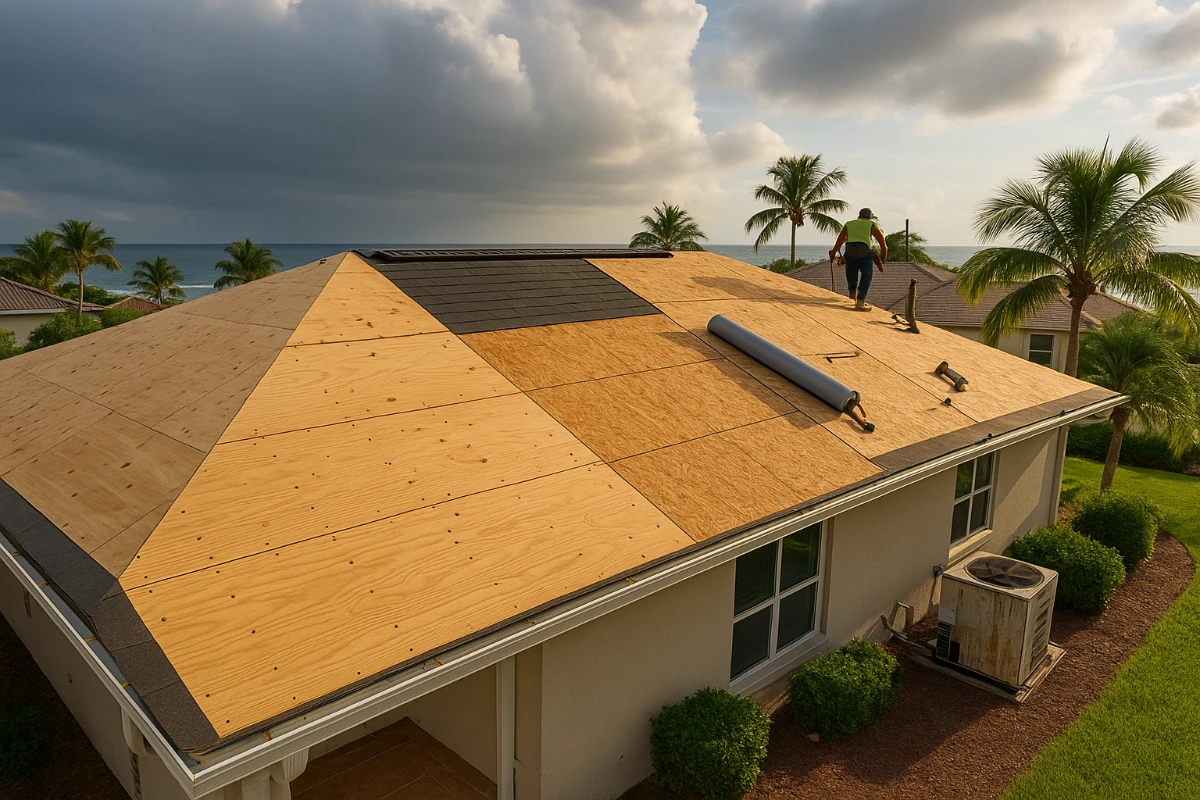
- Inspecting and possibly replacing decking
- Installing underlayment, flashing, vents, and ridge caps
- Final cleanup and debris haul-away
If anything is unclear, ask for clarification before signing off.
Materials and Products
Some estimates simply list “architectural shingles,” while others go further and specify the brand, style, and color. The more specific, the better. This section may include:
- Roofing material type (e.g., asphalt shingles, metal, tile)
- Underlayment type (felt vs. synthetic)
- Flashing and ventilation components
- Nail or fastener specifications
Why does this matter? Because quality materials vary widely, and so does pricing. You want to know exactly what’s going on your roof—and being able to read a roofing estimate thoroughly ensures you’re not overpaying or getting subpar materials.
Labor Costs
Labor is often the largest portion of a roofing estimate, but it’s also one of the least understood. Some estimates include a single line item labeled “labor,” while others break it down into hours, crew size, or specific tasks.
More detail is generally better. It tells you whether the contractor is paying a skilled crew, whether they’re using subcontractors, and how much time they expect the job to take. It can also reveal red flags like unusually low labor costs that may indicate rushed work or underpaid teams.
If subcontractors are involved, the estimate should say so. That transparency matters, especially when it comes to quality and accountability.
Permits and Fees

Depending on your location, roofing projects may require permits from the city or county. These aren’t optional, and a reputable contractor will handle them on your behalf.
Look for a clear line item for permit costs. Some contractors include these fees in the total, while others list them separately. The estimate may also include charges for:
- Dumpster rental
- Delivery or fuel surcharges
- Administrative or processing fees
Not every fee is a red flag, but you should always understand what each one covers. If anything feels unclear or excessive, ask questions before you commit.
Timeline and Project Schedule
A good estimate will include more than just a price. It should give you a sense of how long the project will take and when it can start. That doesn’t mean an exact calendar date, especially in areas where weather can be unpredictable, but you should see a general timeframe.
Most contractors will include:
- An estimated start window (for example, “within 2–3 weeks”)
- How long the work is expected to take
- Any scheduling dependencies
Also worth noting: if you’re being told the job can start tomorrow with no wait time, that could be a red flag. Reliable roofers are often booked out for a reason.
Warranty Details
Not all warranties are created equal. A solid estimate should tell you not just that a warranty exists, but what it covers and for how long.
There are usually two types of warranties to look for: the manufacturer’s warranty, which covers the materials, and the workmanship warranty, which covers the contractor’s installation. Some materials come with lifetime guarantees, while others are limited to 20 or 30 years.
Equally important is knowing who to contact if something goes wrong. A local contractor who stands by their work is more likely to address issues quickly than a company that disappears once the job is done.
Payment Terms
Before any work begins, your contractor should clearly spell out how and when payments are expected. That means more than just the total price. Look for a payment schedule that breaks things down into reasonable stages.
For example, you might be asked for a deposit to secure materials, with additional payments due at specific milestones and a final payment once the job is complete. Some companies also offer financing or payment plans, which should be disclosed in the estimate if available.
Be cautious if you’re asked to pay the full amount upfront. A reputable roofing company will never require that.
Red Flags to Watch For
Most roofing estimates are straightforward if you know what to look for, but a few warning signs should raise your eyebrows.
If the estimate is vague, missing key details, or oddly low compared to others, that’s a reason to pause. Some contractors leave out essential steps like cleanup or waste removal, while others fail to specify what materials they’re using.
Also watch for:
- No mention of permits or warranties
- High-pressure sales tactics
- Handwritten or overly informal documents
A professional estimate should inspire confidence. If something feels off, trust your instincts and ask for clarification or get another bid. Knowing how to read a roofing estimate can help you spot these warning signs early.
Tips for Comparing Multiple Estimates

It’s smart to get more than one estimate, but comparing them can be tricky if each contractor formats things differently. Don’t focus only on the bottom-line number. The real value is in understanding what you’re getting for the price.
Start by checking that each estimate includes the same scope of work. One contractor might include new flashing and ventilation upgrades, while another doesn’t mention them at all. Be sure you’re comparing apples to apples.
Also, pay attention to:
- Material quality and brand names
- Labor and warranty details
- Cleanup and disposal plans
- Start dates and project timelines
And don’t be afraid to ask questions. A good contractor won’t hesitate to explain their estimate in plain terms, and your ability to read a roofing estimate carefully will make the decision-making process much easier.
The Lakeland Roofers You Can Trust
A clear, detailed estimate is a sign that your contractor takes the job seriously. It shows that they respect your home, your time, and your money.
At Stronghold Roofing & Solar, we believe that Lakeland homeowners deserve more than just a quote. They deserve a roofing company that will take the time to walk you through every line of the estimate so you can feel confident in your decision before the first shingle is removed.
Whether you’re comparing bids or getting ready to schedule your project, we’re here to help you understand your options and protect your investment. Reach out today and ask about our free roof estimate!
FAQs – Read a Roofing Estimate
What should be included in a roofing estimate?
A roofing estimate should list the scope of work, materials, labor, warranties, timeline, and payment terms. Permits and cleanup should also be mentioned.
Is it normal for roofing estimates to vary significantly?
Yes. Differences in materials, labor rates, and project details can cause estimates to vary widely. Always compare the full scope, not just the price.
Can I negotiate a roofing estimate?
You can ask for clarification or request changes to the scope. Some contractors may adjust pricing or offer alternate options, but transparency is key.
What if an estimate doesn’t include cleanup?
That’s a concern. Cleanup and debris removal should always be part of the project. If it’s not listed, ask for it to be included in writing.
How many roofing estimates should I get?
It’s usually best to get at least three. That gives you a solid sense of market pricing and helps you spot outliers or unusually low bids.