Skip to content

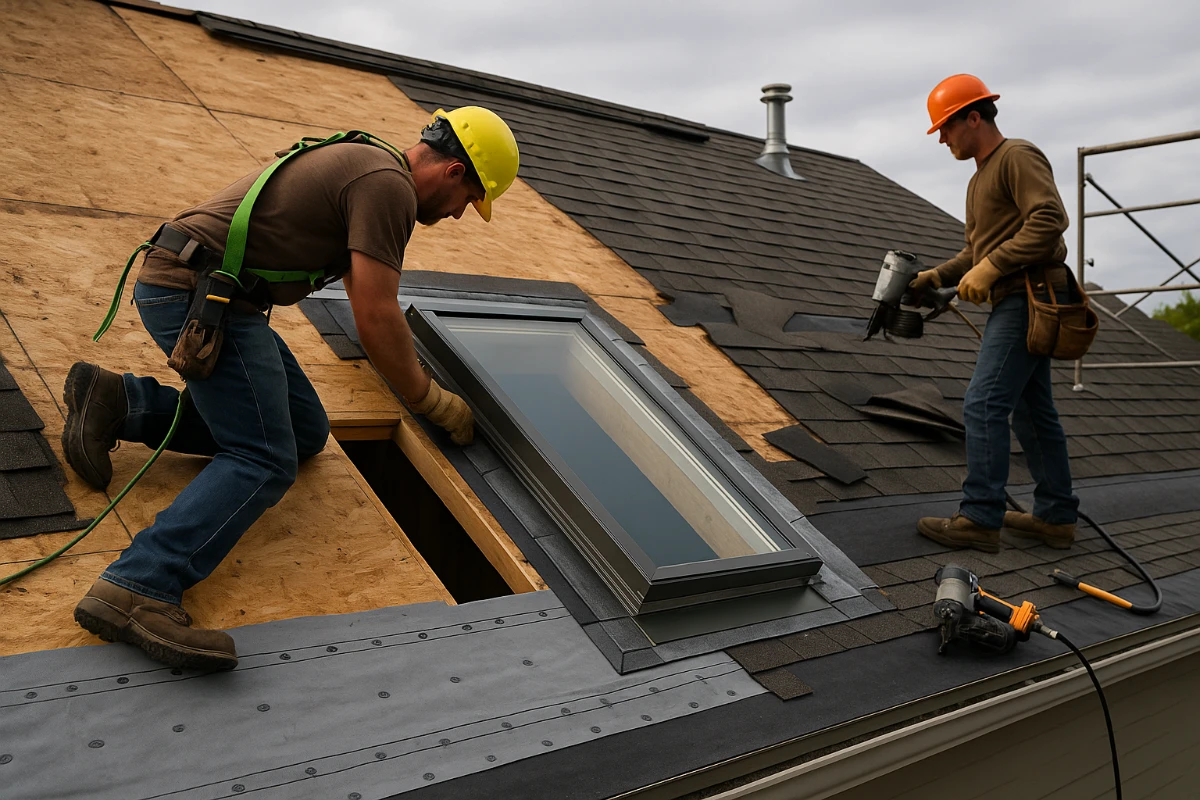
Skylights can brighten up a home and even lower energy costs, but they do not last forever. If your roof needs to be replaced, it is the ideal time to take a closer look at any skylights you already have or consider adding new ones.
In Florida, where heat, humidity, and heavy storms are constant factors, old or poorly sealed skylights can turn into expensive problems. Coordinating skylight replacement with a reroof can help you avoid leaks, improve efficiency, and ensure a cleaner and more watertight installation.
Why Skylights Matter for Florida Homes
Skylights are more than just a design feature. In Florida’s hot and humid climate, they can offer several real benefits as long as they’re properly selected and installed.
- Natural light – Skylights bring sunlight into parts of the home where traditional windows can’t. This can help reduce the need for artificial lighting, especially in interior rooms or hallways.
- Energy efficiency – Modern skylights often include glazing and UV coatings that help limit heat gain. This means you get the benefit of natural light without turning your home into a greenhouse.
- Comfort and ventilation – Venting skylights can help release trapped hot air near the ceiling, especially in homes with vaulted ceilings or poor airflow. In the cooler months, they can be opened for fresh air without relying on AC.
- Aesthetic appeal – A well-placed skylight can make a room feel larger, brighter, and more inviting. They’re also seen as a value-add by many homebuyers.

Should You Replace Skylights When Replacing Your Roof?
Most roofing professionals will recommend replacing skylights at the same time as the roof, and with good reason. Skylights are integrated into the roofing system, and removing the shingles around them can disrupt the original flashing and seal. Reusing the old skylight might seem like a way to save money, but it can introduce problems that show up months or even years later.
One of the biggest risks is water intrusion. Even a minor compromise in the seal around the skylight can lead to leaks, which may not be immediately visible. Once water gets in, it can damage drywall, insulation, and framing before you notice there’s an issue.
Replacing the skylight during a reroof—often called Replacing Skylights During Reroof—also ensures a tighter fit, better flashing, and proper integration with the new materials. It can be more cost-effective than waiting, especially when you consider the labor costs of opening up the roof again later.
If your skylight is older, out of warranty, or showing any signs of wear, replacing it during the reroof is usually the smarter long-term choice.
Important Skylight Features for Florida Homes
Florida’s climate calls for skylights that can handle heat, humidity, storms, and strong UV exposure. While style matters, performance is what truly counts. These are the features and installation methods worth considering:
Impact-Resistant Glass
Homes in Florida, particularly in coastal or storm-prone areas, benefit from impact-rated skylights. These skylights feature laminated glass that resists shattering during high winds and flying debris. Choosing a product rated for hurricane zones adds an extra layer of protection and peace of mind.
Energy-Efficient Glazing
Florida’s heat can drive up energy bills. Double-pane skylights with low-emissivity (low-E) coatings help reduce solar heat gain and keep conditioned air indoors. This not only improves comfort but may also lower your cooling costs.
UV Protection
UV rays are intense in Florida and can quickly fade flooring, furniture, and fabrics. Skylights with built-in UV filtering limit exposure and preserve the life of your home’s interior finishes. This is especially important for rooms with wood floors, rugs, or upholstered furniture.
Venting vs Fixed Models
Venting skylights allow hot air to escape naturally, improving ventilation in high-ceiling spaces and reducing the need for mechanical cooling. However, they come with moving parts and require more attention to ensure watertight performance. Fixed skylights are more common and generally more reliable in terms of moisture resistance.
Mounting Style: Curb-Mounted vs Deck-Mounted
Curb-mounted skylights are elevated above the roof surface and installed on a built-up frame, which can make them easier to flash and replace. Deck-mounted skylights sit flush with the roof and offer a sleeker profile. However, they require more precise installation and sealing, making them less forgiving if not installed by an experienced contractor.
Flashing Kits and Installation Accessories
The best skylight in the world will not perform well without proper flashing. Always make sure flashing kits are compatible with both the skylight and the roofing material being used. Some manufacturers offer integrated flashing systems that simplify installation and reduce the risk of leaks.
Timing Considerations for Reroofing and Skylight Replacement

Getting the timing right can help your project go more smoothly and reduce the risk of future issues. Since skylights and roofing are so closely connected, coordinating their installation is critical.
- Installation sequence matters. Skylights should be installed or replaced either just before or during the roofing process, not after. This allows proper flashing and integration with the new roofing materials. Waiting until the roof is finished can compromise the seal. This is why planning for Replacing Skylights During Reroof with your roofer helps prevent rework and weak seals.
- Florida’s rainy season. Summer storms can bring sudden downpours that interrupt roof work or leave an exposed skylight vulnerable. Scheduling reroofing and skylight replacement during the drier months, typically from late fall through spring, can reduce weather-related delays.
- Contractor coordination. If the skylight is not being installed by the roofing company, make sure they and the skylight installer are on the same page. Coordination is key to avoiding gaps or miscommunication during installation.
What to Expect During the Process
If you’re replacing skylights as part of a reroofing project, knowing what to expect can help you prepare and avoid surprises. A professional contractor should walk you through each phase, but here is a general overview of how the process works.
Inspection and Planning
Before any work begins, your contractor will inspect the existing skylights, roofing materials, and decking. This helps determine whether a full replacement is needed or if minor repairs are enough. It also allows time to select the right skylight type and features.
Removal and Preparation
During the tear-off phase of the roof, the old skylights are removed. This is also when the surrounding roof decking is checked for damage and prepped for the new installation. Any needed repairs are made before proceeding.
Installation and Flashing
New skylights are installed directly into the prepared openings, followed by flashing and sealing. This is one of the most important steps. Proper flashing ensures that water does not find its way into the roof structure during storms or heavy rain.
Roofing Integration
Once the skylight is securely installed and sealed, the surrounding roofing materials are installed to overlap and protect the edges. This integration is what makes the entire system watertight.
Cleanup and Final Checks
After installation, the contractor should inspect for gaps, sealant issues, or flashing concerns. Any protective film on the skylight is removed, and the area is cleaned of debris and roofing materials.
Choosing the Right Lakeland Roofing Contractor Makes All the Difference
Not every roofer has experience with skylight installation, and that can make a big difference in how well your new roof holds up over time. A poor seal or rushed flashing job can lead to leaks, even if the rest of the roof is installed correctly.
At Stronghold Roofing & Solar, we help Florida homeowners make smart, informed choices about their roof and skylight options. Our Lakeland roofers understand the unique demands of Florida’s weather, and we’re committed to doing the job right the first time. If your roof needs to be replaced and you’re wondering what to do about your skylights, we’re here to walk you through the process.
Reach out today for a free roof estimate.
FAQs – Replacing Skylights During Reroof
Do I have to replace my skylights when I replace my roof?
Not always, but it is usually recommended. Replacing skylights during a reroof helps ensure proper sealing and avoids the risk of leaks caused by disturbing the original installation.
How long do skylights typically last?
Most skylights have a lifespan of 15 to 20 years. If your skylights are near or beyond that age, replacement is usually the best choice during a reroof.
Can I install a skylight in a roof that didn’t have one before?
Yes, but it requires cutting into the roof and proper structural planning. Your contractor should evaluate whether the roof can support the addition and ensure correct installation.
What type of skylight is best for Florida homes?
Impact-resistant, double-pane skylights with UV protection and low-E coatings are ideal for Florida’s climate. These options offer better energy efficiency and storm resistance.
Are venting skylights a good idea in humid climates?
They can help improve airflow and reduce heat buildup, but they must be installed and sealed correctly to avoid moisture problems.