Skip to content


A roof is one of the most important investments you’ll ever make in your home, yet many people don’t give it much thought until something goes wrong. A leak in the ceiling or missing shingles after a storm can raise the big question: is this a problem that can be fixed with a repair, or is it time to replace the roof altogether?
It’s not always an easy call. Repairs can be quick and less expensive, but sometimes they only delay a replacement that’s already overdue. On the other hand, replacing a roof too soon can mean spending money before it’s truly necessary. The good news is that a few key considerations can help homeowners make the decision with less stress and more confidence.
When Roof Repair Makes Sense

A roof problem doesn’t always mean it’s time for a full replacement. In many cases, a focused repair can solve the issue and keep your roof performing as it should. Here are some situations where repairs are the practical choice:
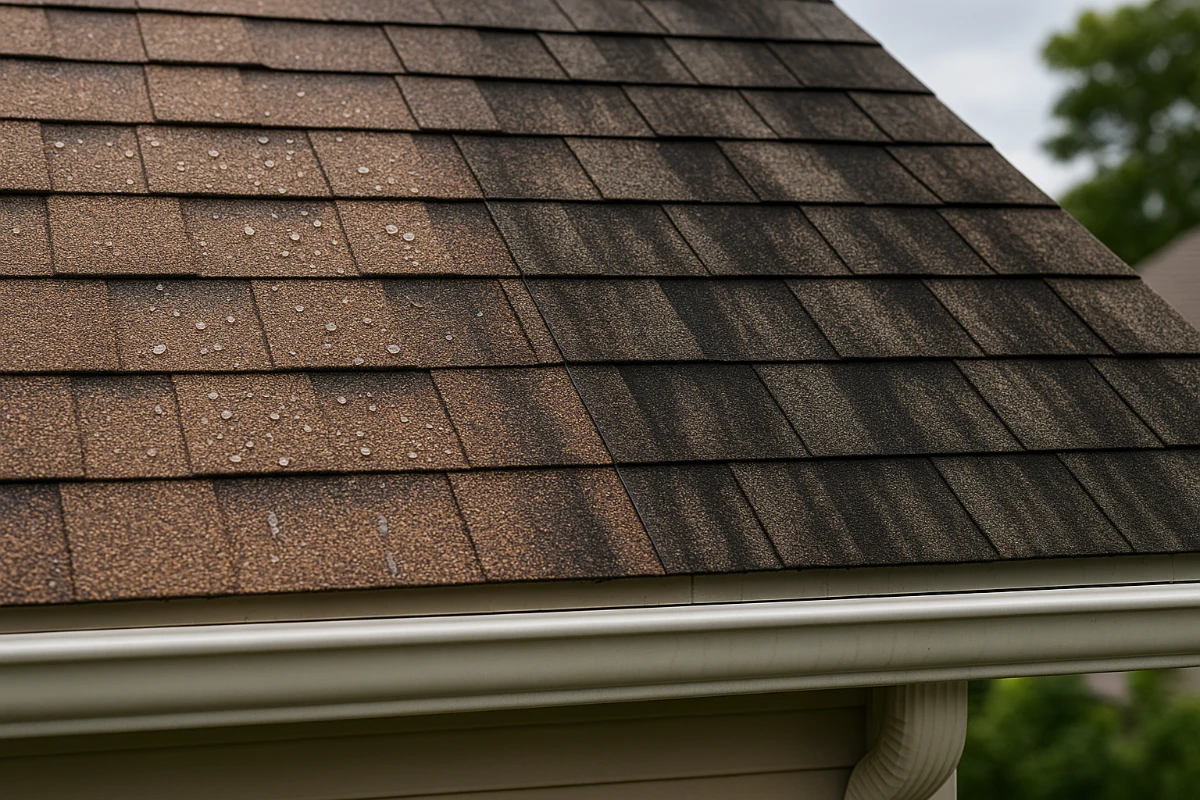
- Isolated shingle damage: A few torn, curled, or missing shingles after wind or a branch strike can be swapped out without disturbing the rest of the system. A roofer will check that the underlayment stayed intact and that replacement shingles match closely so the repair blends in and keeps water moving off the roof.
- Localized flashing issues: Leaks that trace back to metal flashing around a chimney, skylight, sidewall, or roof-to-wall transition are often solved by re-sealing or replacing the flashing and correcting any water-path errors. Because the problem is confined to a specific junction, a targeted fix restores waterproofing without redoing large areas.
- First-time, small leak with sound decking: If water shows up in one spot after a heavy storm but the roof deck is dry and solid, a focused repair at the entry point is usually enough. The roofer will lift shingles, replace wet underlayment, seal fasteners, and test the area, then recommend monitoring through the next couple of rains.
- Vent boots and penetrations: Cracked pipe boots, loose satellite mounts, or worn gasket seals around vents can allow slow leaks. Replacing the boot, re-seating hardware with proper flashing, and sealing fasteners typically resolves the issue quickly and extends the service life of the surrounding field shingles.
- Nail pops and minor surface wear: Raised fasteners and small blisters can be reset and sealed to prevent water intrusion. Early granule loss or light surface scuffing can be addressed with maintenance rather than replacement when the roof’s structure and underlayment are still in good condition.
- Storm debris punctures on limited areas: Small punctures from hail or falling twigs that affect a defined section can be patched by replacing the damaged shingles and underlayment below. The key is confirming the impact didn’t create widespread fractures beyond the visible spot.
- Roof age well within expected lifespan: When the roof is relatively young for its material and shows no widespread curling, cracking, or sagging, repairs make financial sense. Keeping up with small fixes preserves warranties and delays a larger expense until the roof is closer to the end of its useful life.
- Adequate ventilation and no trapped moisture: If attic ventilation is working and moisture readings are normal, isolated repairs are more likely to hold. Good airflow helps the roof dry out after storms and supports the long-term performance of repaired areas.
When Roof Replacement is the Better Choice
While repairs can solve many problems, there comes a point when patching is no longer the best option. A full replacement may cost more up front, but it can save money and frustration in the long run. Situations like these often call for a new roof:
- Roof nearing the end of its lifespan: Every roofing material has a service range, whether 15–20 years for three-tab shingles or 40–50 years for metal. Once a roof is at or past that window, replacing it prevents the cycle of constant fixes that only postpone the inevitable.
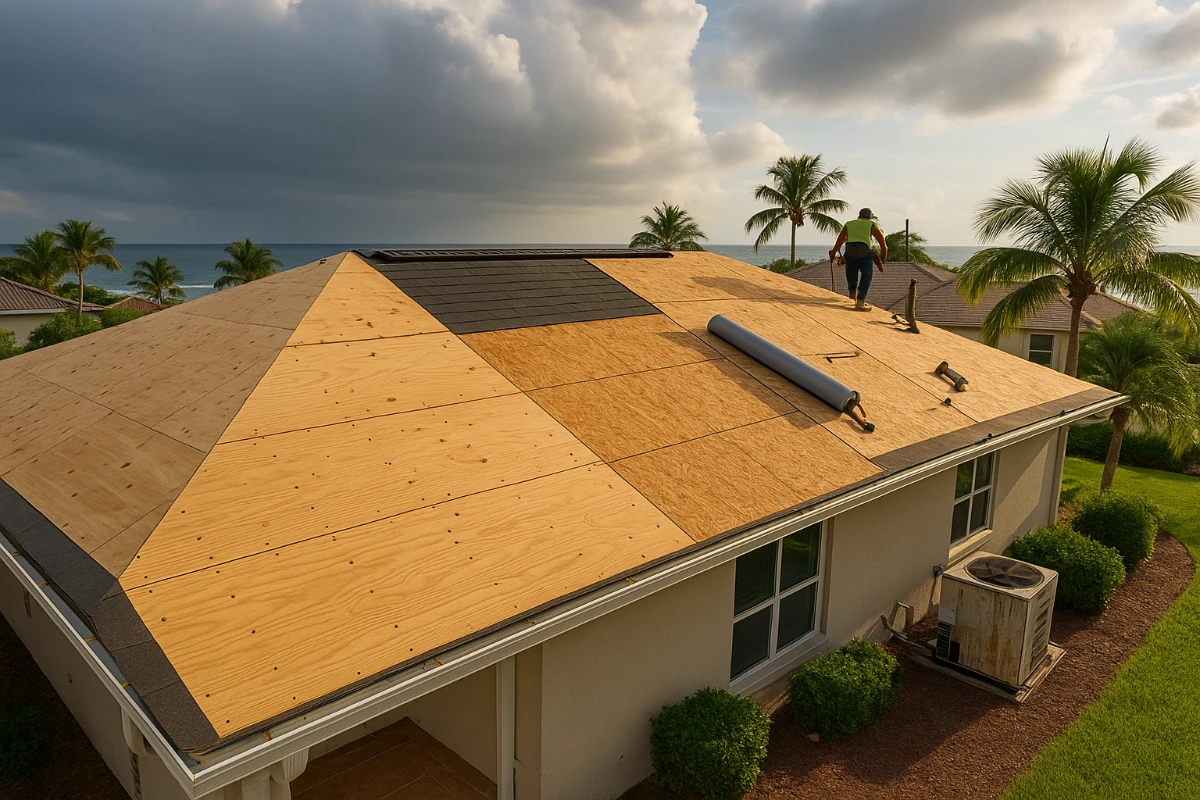
- Widespread damage across large areas: If shingles are curling, cracking, or missing in multiple sections, spot repairs won’t restore protection. A replacement ensures the entire roof system, including underlayment, decking, and flashing, is renewed for consistent performance.
- Leaks that keep returning: When water intrusion reappears despite several repair attempts, the issue usually runs deeper than one bad spot. A new roof addresses hidden weaknesses in the structure and eliminates recurring headaches.
- Extensive storm or hurricane impact: Florida storms can cause damage that isn’t always visible right away. A roof with multiple punctures, lifted shingles, or structural stress from high winds is safer to replace than to patch piece by piece.
- Energy efficiency concerns: Older roofs without proper insulation or reflective materials may contribute to higher cooling bills. Upgrading to modern roofing systems improves comfort and energy performance while solving water and durability issues.
- Moisture or ventilation failures: Persistent dampness in the attic, mold growth, or sagging roof decking often point to systemic ventilation or underlayment problems that a repair can’t fully solve. Replacement allows these hidden layers to be corrected.
- Insurance or warranty factors: Some insurers are reluctant to cover aging roofs, and warranties may no longer apply once a roof reaches a certain age or condition. A new roof restores eligibility for coverage and brings peace of mind.
How a Professional Inspection Helps

Even with a good eye, it’s tough for homeowners to judge the true condition of a roof. What looks like a minor surface problem could be a sign of deeper structural damage, and hidden leaks often go unnoticed until they’ve already caused interior issues. That’s why a professional inspection is so valuable.
A professional roofing company knows how to evaluate the entire system, not just the shingles on top. They check for problems with underlayment, decking, flashing, and ventilation that the average person might miss. An inspection also helps determine whether a repair will hold or if replacement is the safer, more cost-effective choice.
Beyond spotting damage, inspections give homeowners clarity. Instead of guessing or worrying about what might go wrong, you’ll have a clear picture of your roof’s condition and expert guidance on the next step. That peace of mind alone can make the decision far less stressful.
Taking the Stress Out of the Decision
Deciding whether to repair or replace a roof can feel overwhelming, especially when time and money are on the line. A few practical steps can help make the process easier:
- Document the issues: Take photos of leaks, missing shingles, or any visible damage. This record helps contractors and insurance adjusters understand the scope of the problem.
- Gather multiple estimates: Comparing proposals from more than one roofing company ensures you get a fair picture of costs and recommendations. Look for clear breakdowns that show what’s included.
- Ask about insurance coverage: Some repairs and replacements may qualify for coverage if storm damage is the cause. Knowing what your policy includes can reduce unexpected expenses.
- Consider the long-term view: Think about how long you plan to stay in your home and whether ongoing repairs will add up to more than the cost of a new roof.
Stronghold Roofing & Solar: Helping Lakeland Homeowners Choose with Confidence
For Florida homeowners, deciding between repairing or replacing a roof is a big decision. At Stronghold Roofing & Solar, we understand the pressure that comes with it, and our goal is to make the process as straightforward as possible.
Our team has extensive experience with Florida’s unique climate, from heavy rain to hurricane-force winds, and we know how to identify the solution that best protects your home. Whether it’s a small roof repair to extend the life of your existing roof or a full roof replacement to provide decades of security, we give honest assessments tailored to your needs.
Reach out today for a free roof estimate from our Lakeland roofers.
FAQ | Roof Repair or Replace
How do I know if my roof just needs a repair?
If the damage is limited to a few shingles, flashing, or a small leak, and the roof is otherwise in good condition, a repair is often enough.
What are the signs that a roof should be replaced?
Multiple leaks, widespread shingle damage, sagging decking, or a roof that’s reached the end of its lifespan are strong indicators that replacement is the better option.
How long does a roof replacement usually take?
Most replacements are completed within a few days, though larger or more complex projects may take longer depending on weather and materials.
Can repairing my roof extend its lifespan?
Addressing small issues like missing shingles or cracked flashing early can keep the roof in good shape and delay the need for replacement.
Will insurance cover roof repairs or replacement?
It depends on the cause. Storm or hail damage may be covered, while normal wear and tear typically is not. Reviewing your policy and consulting your insurer is the best way to know for sure.