Skip to content

A roof is one of the biggest investments you’ll make in your home, so even if you’re trying to keep costs down, it’s worth making smart decisions during the replacement process. Some upgrades may not seem essential at first glance, but skipping them could cost you more in the long run.
A secondary water barrier is one of those options. It’s not the part of your roof that’s visible, but it plays an important role in protecting your home from water intrusion. This is especially important in Florida, where storms can tear off shingles or tiles.
Understanding what this barrier does, and whether it makes sense for your home, can help you make a better long-term decision.
What Is a Secondary Water Barrier?
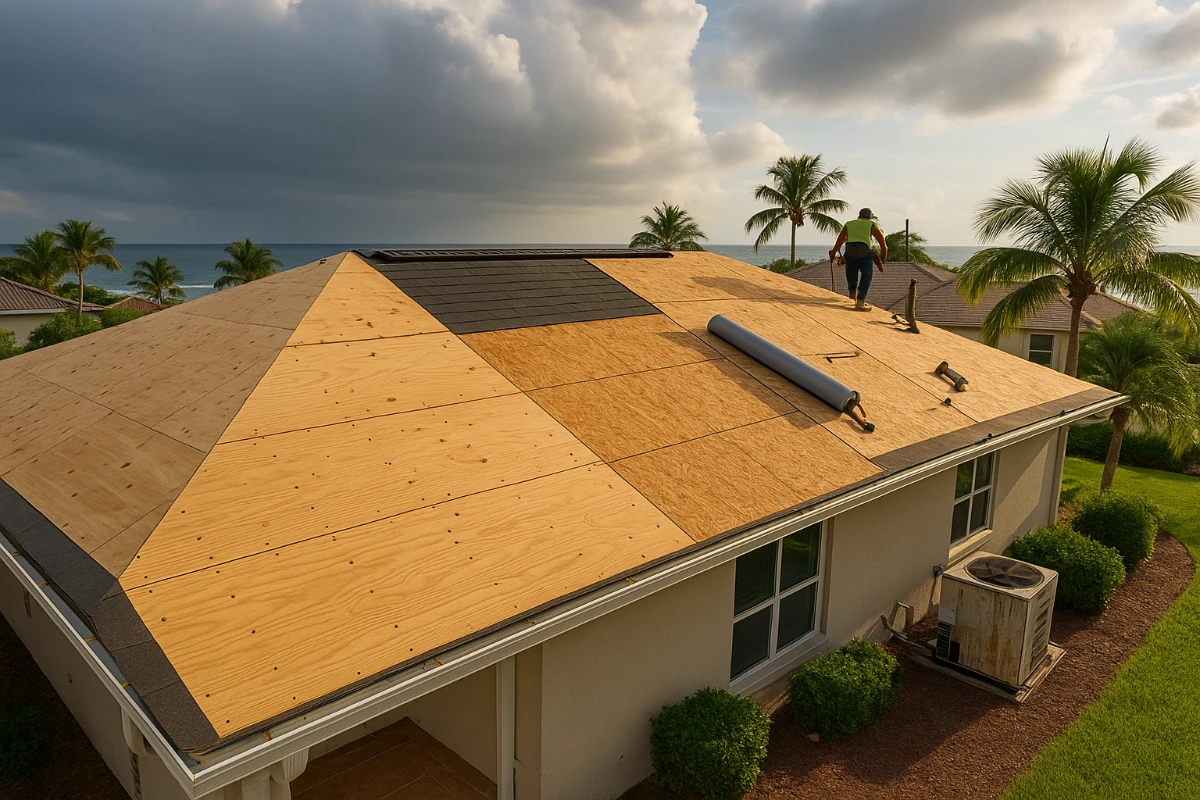
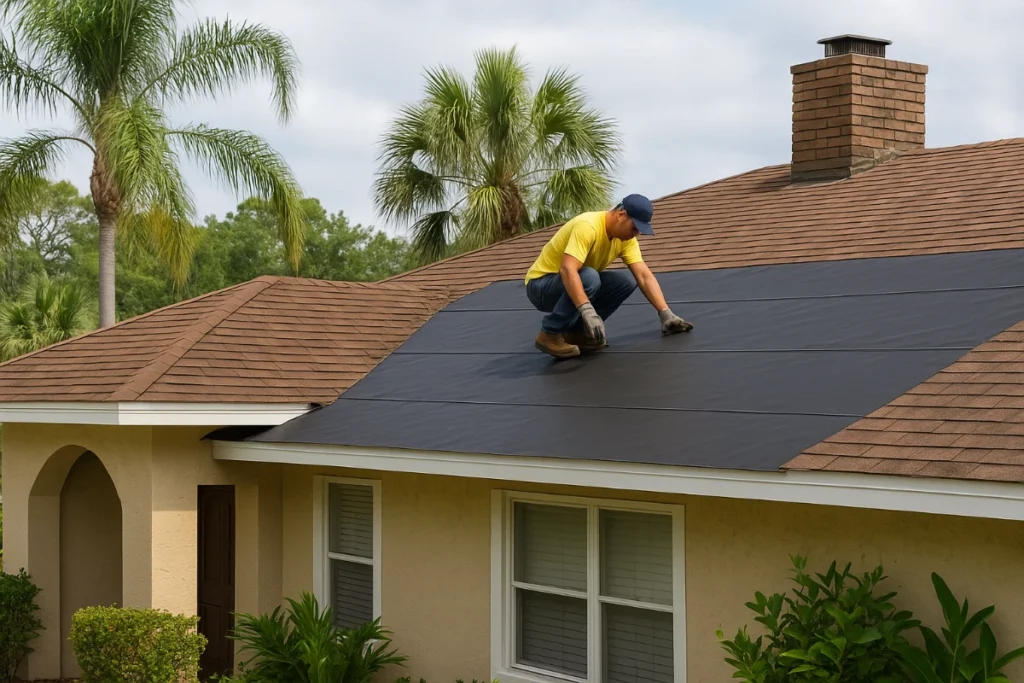
A secondary water barrier is an added layer of protection that sits directly on the roof deck, beneath the outer roofing material. Its main job is to help keep water from reaching the interior of your home if the outer layer of shingles, tiles, or panels is damaged or blown off.
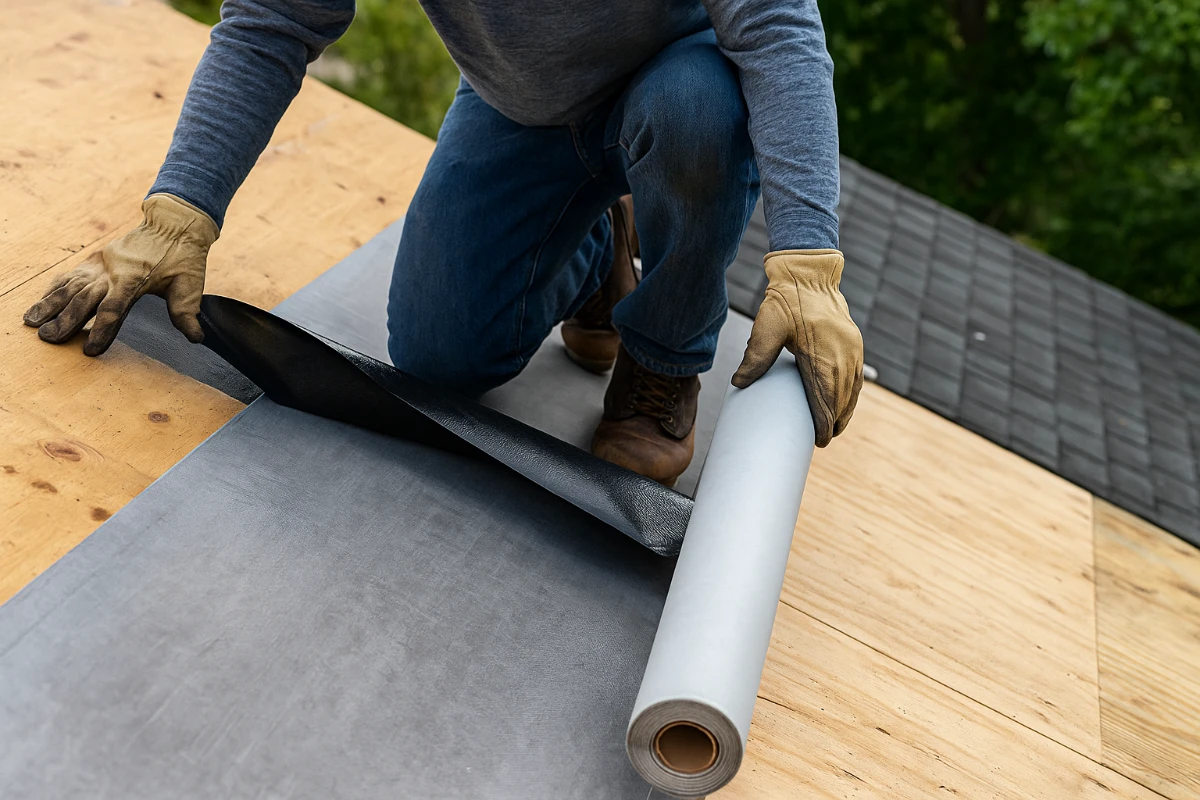
This barrier is usually made of a self-adhering membrane that creates a watertight seal over the decking. Unlike standard underlayment, which may simply lie flat and offer limited resistance to water intrusion, a secondary barrier bonds to the roof surface and seals around nails or fasteners. That extra grip helps prevent water from finding its way in during extreme weather.
You might hear the term “peel-and-stick” to describe these materials. They’re commonly used in roof valleys and around penetrations like vents and chimneys, but full-coverage installations are increasingly popular in high-risk regions. When applied correctly, this membrane becomes a critical line of defense during Florida’s storm season.
How the Material Works

The membrane is typically made from rubberized asphalt or similar compounds that are both flexible and durable. When rolled out over the roof deck, it adheres tightly and forms a continuous seal. As nails or fasteners are driven through the roofing materials above, the membrane seals around them, preventing water from entering.
Some versions of this material include a top layer that resists UV damage during the installation period before the final roof covering is applied. Others are designed to be especially effective in high-heat environments, which is important for Florida homes where attic temperatures can soar.
When combined with proper attic ventilation and high-quality roofing materials, a secondary water barrier helps form a more complete and longer-lasting roofing system.
Why It Matters for Florida Homes
Florida homes face more than just heavy rain. High winds, flying debris, and pressure changes during storms can pull off roofing materials and expose the wood decking underneath. Once that happens, water can enter the attic within minutes, often before the storm has even passed.
A secondary water barrier can slow or even stop this process. It keeps water from penetrating through the roof deck and into the insulation, ceiling, or walls. This can mean the difference between minor repairs and major water damage. Florida’s humidity also makes quick cleanup more difficult; once moisture gets in, it often leads to mold or rot.
This added layer acts as a backup plan. It’s not meant to replace good roofing materials or installation, but it adds another level of protection when the unexpected happens. For homes in coastal regions or older homes with more vulnerable structures, it’s a smart extra step.
Understanding Code Requirements and Insurance Benefits
Depending on where you live in Florida, a secondary water barrier may be required by state building codes. Homes in wind-born debris regions often fall under these rules. If you’re not sure whether your area is affected, your roofing company can help check local requirements and explain what applies to your property.
Even when not required by code, there are potential financial benefits to adding one. Some insurance companies offer discounts for homes that include a full-coverage secondary water barrier. These savings are part of wind mitigation programs designed to reward homeowners for lowering the risk of storm-related damage. You’ll usually need to provide proof of installation to qualify, so it’s worth discussing this with your roofer and your insurance provider before the project starts.
Adding the barrier during a roof replacement is the most efficient time to do it, since trying to add it later would require removing the existing roof.
What to Expect During Installation
Installing a secondary water barrier is usually done right after the old roofing is removed and any necessary deck repairs are completed. The membrane is rolled out in sheets and carefully pressed onto the roof deck to ensure full adhesion. Installers take care to overlap seams and press out air bubbles to prevent any gaps that could compromise protection.
The process doesn’t add much time to a typical roof replacement, but it does require proper surface preparation and dry conditions. If rain is in the forecast, your contractor may wait for a clear window to ensure the membrane sticks properly. Once the barrier is in place, the rest of the roofing system, including underlayment and shingles or tiles, is installed on top.
This step doesn’t require special maintenance from the homeowner, but it’s a good idea to ask your contractor to photograph the installation for your records, especially if you plan to submit it for insurance purposes.
When It’s a Smart Investment
Not every home needs a secondary water barrier, but for many Florida homeowners, it makes good sense. The cost of this upgrade is relatively small compared to the full cost of a roof replacement. In many cases, the added protection and potential insurance savings more than make up for the upfront expense.
Consider adding a secondary water barrier if:
- You live in a high-wind or coastal region
- Your home has previously experienced water damage
- You want to improve your wind mitigation rating for insurance
- You’re replacing your roof due to storm damage
- You plan to stay in your home long enough to benefit from the investment
Even if none of these situations apply, it’s still worth asking your roofing contractor for an estimate. In some cases, the upgrade may be more affordable than expected. If it helps prevent even one major repair in the future, it can quickly pay for itself.
A Good Time to Ask the Right Questions
Homeowners often focus on choosing the right roofing material, but the protective layers underneath deserve equal attention. The roofing deck, underlayment, ventilation, and optional upgrades all work together to keep your home safe and dry. Adding a secondary water barrier shows that you’re thinking beyond surface appearance and prioritizing performance.
If you’re already investing in a roof replacement, this is the right time to ask detailed questions about what’s going beneath the surface. Your contractor should be able to explain the materials they plan to use and why.
A reputable roofer will welcome those questions and provide honest answers about what makes the most sense for your specific home, location, and budget.
Lakeland Roofers – Stronghold Roofing & Solar
At Stronghold Roofing & Solar, we understand how important it is to make informed decisions during a roof replacement. We’ve helped homeowners in Lakeland and across Florida choose roofing systems that stand up to the local climate while balancing cost, performance, and long-term durability.
Our team stays current with building codes and insurance requirements, so we can walk you through all available options. If a secondary water barrier is a good fit for your home, we’ll explain why and what kind of benefits it could provide. If it’s not necessary in your area or not a cost-effective choice, we’ll tell you that too.
We’re here to help you make the best decisions for your home. Call today for a free roof estimate!
FAQs – Secondary Water Barriers
What is the purpose of a secondary water barrier?
It protects your home by preventing water from reaching the roof deck if the outer roofing is damaged during a storm.
Is a secondary water barrier required in Florida?
Only in certain wind-prone regions. Your roofing contractor can confirm whether your home is subject to that part of the Florida Building Code.
Does it cost a lot to add one?
Typically, it’s a small percentage of the overall roof replacement cost. It’s one of the more affordable upgrades you can choose.
Can this be added to an existing roof?
No. It must be installed directly on the roof deck, so it’s only added during a full replacement or tear-off.
How is it different from standard underlayment?
Standard underlayment lies flat and provides basic protection. A secondary water barrier seals tightly to the decking and around nails, making it much more resistant to water intrusion.