Skip to content

Most homeowners feel a sense of relief when they hear the word “warranty.” It sounds like a safety net, one less thing to worry about after a major investment like a new roof. But roofing warranties aren’t all created equal, and the fine print can be trickier than people expect.
Whether it’s confusion over who’s responsible for what or assumptions about what “lifetime” coverage really means, misunderstanding a roofing warranty can cost you down the road. Knowing the facts before you sign can help you avoid frustration and protect your investment.
Common Misconceptions About Roof Warranties
Roof warranties are often treated like a blanket guarantee, but they’re not all the same, and assuming they are can be a costly mistake. Different types of warranties apply to different aspects of your roof, and each one has its own terms, exclusions, and responsibilities.
Here’s a closer look at the most common misconceptions.
All Warranties Cover the Same Things

One of the biggest points of confusion is thinking that a roofing warranty covers everything from shingles to installation. In reality, most warranties fall into one of two categories: manufacturer warranties and workmanship warranties.
- A manufacturer warranty usually covers problems with the roofing materials, such as defective shingles.
- A workmanship warranty, offered by the installer, covers issues related to labor, such as improper installation or flashing errors.
- Some roofing systems may also come with separate warranties for components like underlayment or ventilation systems.
If you’re not clear on what type of warranty you have (or who stands behind it) you may be left unprotected when something goes wrong.
A Longer Warranty Means Better Protection
It’s easy to assume that a 50-year warranty offers more peace of mind than a 25-year one, but that’s not always the case. Many long-term warranties are prorated, meaning the amount of coverage declines over time. After a certain number of years, you may only be entitled to a small percentage of the cost to replace materials.
Some warranties also come with extensive exclusions or limitations that reduce their real-world value. A shorter warranty with stronger, more clearly defined terms may actually offer better protection than a longer one with vague or restrictive conditions.
Always look at exactly what is covered, not just how long the coverage lasts.
Manufacturer Warranties Cover Installation Mistakes
This is one of the most costly assumptions a homeowner can make. A manufacturer warranty typically covers only the roofing products themselves. If the shingles were installed incorrectly, that’s considered a workmanship issue, and it won’t be covered by the manufacturer.
For example, if your roofer fails to install underlayment properly or doesn’t follow manufacturer guidelines, the resulting problems may be blamed on faulty installation rather than a product defect. In that case, the manufacturer has no obligation to pay for repairs or replacements.
That’s why it’s essential to choose a contractor who not only installs the roof correctly but also stands behind their work with a solid workmanship warranty.
You Don’t Need to Register the Warranty
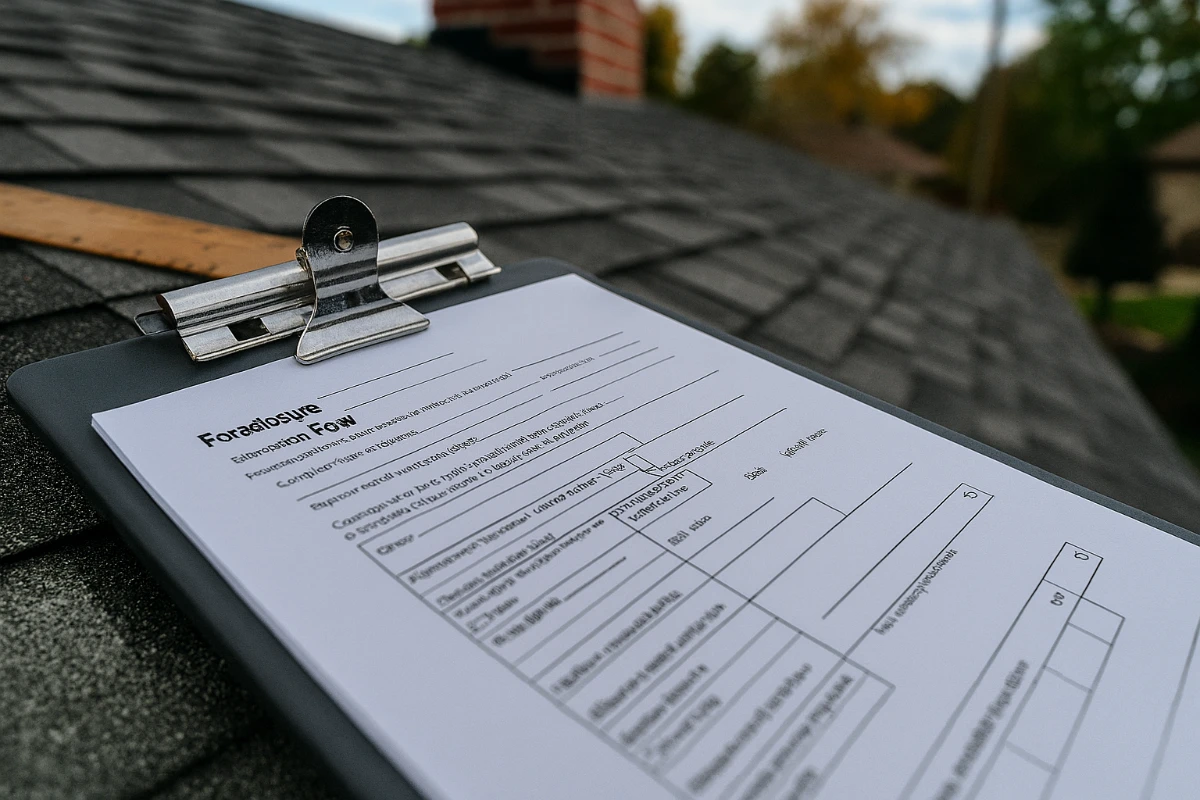
Many roofing warranties require the homeowner or contractor to complete a registration process after the job is done. This isn’t always emphasized during the installation, but it can make or break your coverage.
Registration usually needs to be completed within a set period, such as 30 to 60 days after installation. If that window is missed, the warranty may be void even if you paid for premium materials. Some manufacturers allow contractors to handle registration, but it’s wise to double-check that it’s been completed.
Keep a copy of all registration documents and confirmation emails. That paperwork could be essential if you need to file a claim later.
You Can Transfer the Warranty Anytime
Many homeowners assume that roofing warranties automatically transfer to the next owner when the home is sold. But that’s not always the case. Some warranties are non-transferable, while others allow only one transfer, and often only if it happens within a limited time frame after the sale.
There may also be transfer fees or paperwork that needs to be submitted to the manufacturer. If these steps aren’t completed properly, the new owner could lose coverage without even knowing it.
If you’re planning to sell your home, make sure you understand the warranty’s transfer policy and take action well before closing.
All Roof Damage Is Covered
A roofing warranty doesn’t cover everything that can go wrong with your roof. Storm damage, wind-driven debris, fallen branches, pest activity, and neglect are common exclusions. Even something as routine as walking on the roof to clean gutters can void coverage in some cases if it leads to damage.
Many warranties also require homeowners to maintain the roof according to specific guidelines. That might include regular inspections, prompt repairs, or keeping the roof clear of moss and debris. Failing to follow these requirements can give the warranty provider a reason to deny your claim.
What a Good Roofing Warranty Should Include
With so many different types of roofing warranties available, it helps to know what separates a strong, reliable warranty from one that sounds good but offers limited protection. Here are a few features to look for when reviewing your options.
- Clear coverage details – A good warranty should explain exactly what’s covered. That includes whether the warranty applies to materials, workmanship, or both. It should also outline what kinds of damage are excluded, such as weather-related issues or lack of maintenance.
- Defined term length and limitations –Look beyond the number of years. Some warranties offer full coverage for a limited period, then reduce what they pay over time. Others are prorated from the start. Make sure you understand how long each type of coverage lasts and whether the warranty loses value over time.
- Transfer policy – If you plan to sell your home, a transferable warranty can be a major benefit, but only if it’s easy to transfer. A solid warranty should clearly explain whether it’s transferable, how many times it can be transferred, and whether there are any deadlines or fees involved.
- Registration requirements – Some manufacturers require the warranty to be registered soon after installation. A good contractor will help with this process or do it on your behalf. Either way, you should receive confirmation that the registration is complete and the warranty is active.
- Installer accountability – Even the best roofing materials won’t perform well if they’re installed incorrectly. A strong warranty experience includes working with a contractor who follows manufacturer guidelines and provides their own workmanship guarantee. This ensures you’re protected on both fronts.
The Roofing Company That Helps You Get It Right
At Stronghold Roofing & Solar, we take the guesswork out of roofing warranties. Our team explains what’s covered, helps with registration if needed, and provides a workmanship warranty you can rely on.
We follow manufacturer guidelines carefully to protect your coverage and are always available to answer questions if something comes up. From the first conversation to the final inspection, we make sure you know exactly where you stand.
From new roofs to repairs and inspections, our team of Lakeland roofers is here to provide all the roofing services you need. In Lakeland and the surrounding area? Call today for a free roof estimate!
FAQs – Roofing Warranty Misunderstandings
What is typically covered by a roofing warranty?
Most roofing warranties cover either the materials or the workmanship, but not both. Manufacturer warranties usually apply to defects in the roofing products, while workmanship warranties cover issues related to installation.
Can I have both a manufacturer and a workmanship warranty?
Yes. Many roofing projects include a manufacturer warranty for materials and a separate workmanship warranty from the contractor. It’s important to understand the terms of each.
What can void a roofing warranty?
Common reasons include poor installation, lack of maintenance, unauthorized repairs, and failure to register the warranty. Always follow the guidelines provided by your contractor and the manufacturer.
Are roofing warranties transferable?
Some are, but not all. Many allow only one transfer and may require it to be done within a certain period after selling the home. Check the specific terms to avoid losing coverage.
Do roofing warranties cover storm damage?
Typically, no. Most warranties exclude damage caused by weather, falling debris, or other external factors. Homeowners insurance is usually the best protection in those cases.