 Skip to content


A roof is not only one of the most critical components of a home – it’s also one of the largest single investments most homeowners will make in their property. And because pricing varies by roof size, material, tear-off needs, and any hidden deck damage, a replacement can range from a few thousand dollars to well into five figures for many homes.
That’s why finding out you need a roof replacement is usually very unwelcome news – especially if it happens after a leak, storm, or surprise inspection report.
If you’re thinking, “I need a new roof but I can’t afford it,” don’t panic. In many cases, you have more than one path forward. The first step is confirming what you truly need, then choosing the most realistic option – whether that’s insurance, financing, or a staged plan that protects your home without forcing a huge upfront cost.
What to do if you can’t afford a new roof?
1) Start with an inspection
Before you make any decisions, schedule a professional roof inspection. Ask for clear photos and a short written summary of what’s failing and why – this becomes your baseline for comparing quotes, determining urgency, and supporting an insurance claim.
2) Confirm what you actually need: repair vs. full replacement
Don’t assume “replacement” is the only option. Many issues – like a small active leak, flashing failures, pipe boot damage, or a limited number of missing shingles – can often be repaired first, buying you time to plan and budget for bigger work if it’s truly needed.
3) If there was wind or hail, check insurance and document everything
If the problem started after a storm, review your homeowners policy and begin documenting right away. Save photos, write down dates, note the suspected weather event, and keep any receipts related to temporary leak protection or interior damage.
4) Get 2–3 detailed estimates
Request two to three written estimates and make sure each one clearly lists the scope. You want to see what’s included – materials, tear-off, underlayment, decking (if needed), ventilation, permits, cleanup, and warranty – so you can compare bids fairly.
5) Compare realistic ways to pay
Once you know the true scope, evaluate payment options that fit your situation. This might include roofing company financing, a HELOC/home equity loan, a personal loan, FHA Title I (if applicable), or a staged approach where you address the most urgent areas first to prevent further damage.
6) Choose the safest “stop-the-damage” option and schedule it fast
If water is getting in, speed matters. Pick the option that prevents ongoing damage and schedule the work before leaks spread into insulation, drywall, or framing – because the longer it waits, the more expensive the final repair often becomes.
Do I Really Need a New Roof?
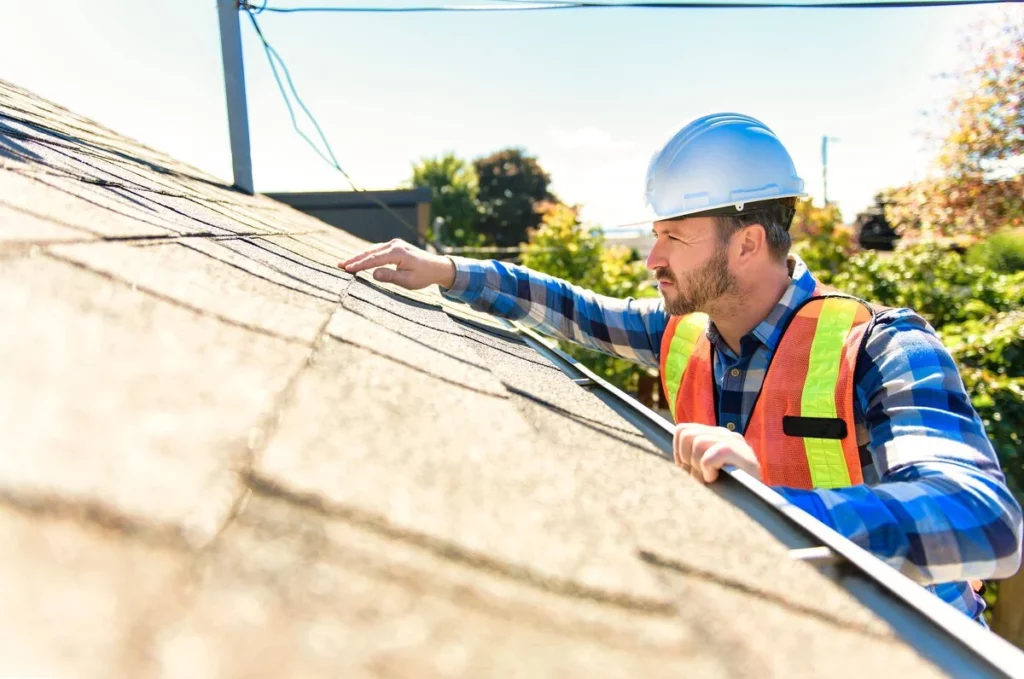
The first step is still the same: schedule a professional roof inspection with a licensed roofing contractor. If your roof was recently hit by hail or high winds, don’t wait – getting it checked quickly can help prevent a small issue from turning into water damage inside the home.
But if your roof problems aren’t storm-related and seem more like normal aging, you may have a little more time to make the right decision. The key is figuring out whether the problem is localized or system-wide.
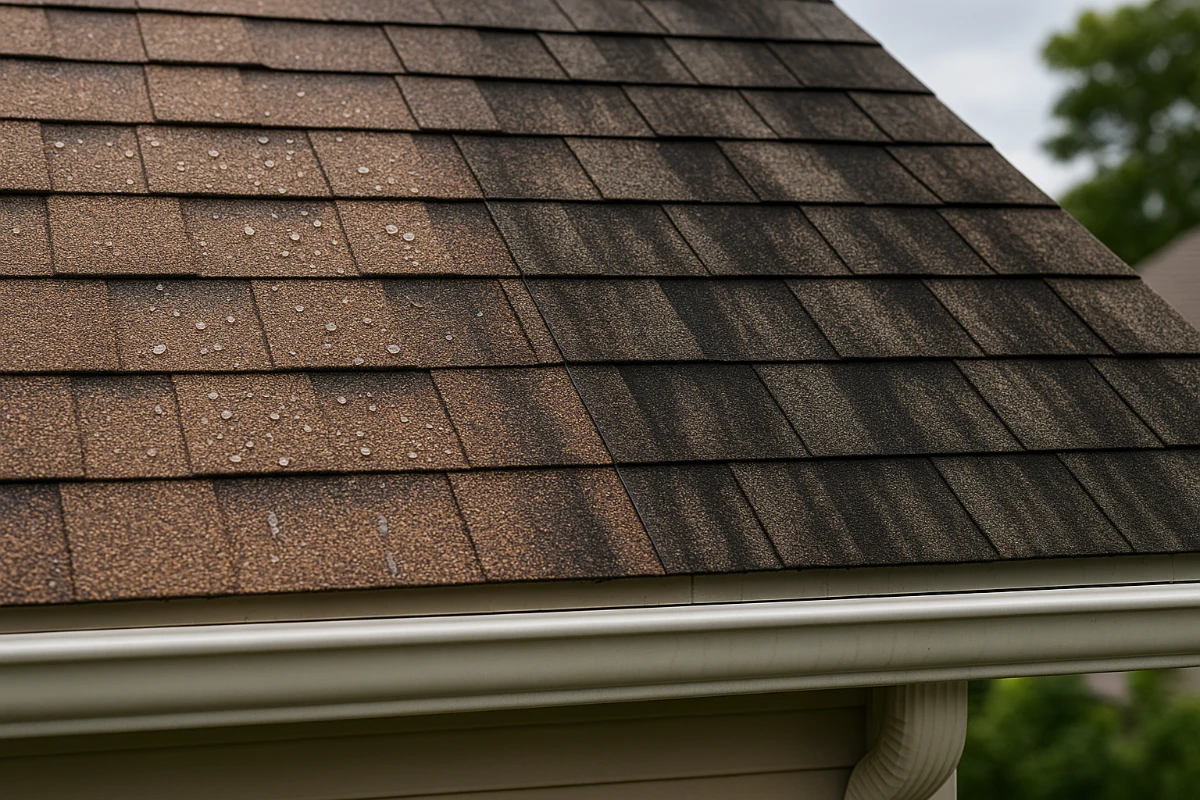
During the inspection, ask for photos and a clear explanation of what’s failing. A reputable roofer will check for missing, cracked, or lifted shingles; leaks or weak spots in the roofing system; damaged flashing around chimneys, vents, and skylights; and signs of moisture issues like soft decking or staining. They should also evaluate ventilation and insulation, because poor attic performance can shorten roof life and make certain problems look worse than they are.
If the damage is limited – like a small leak, flashing failure, or a few missing shingles – you may be able to start with repairs and plan the bigger project later. If the issues are widespread, recurring, or the roof structure is compromised, a full replacement may be the safest option. And if replacement is the right call but the cost is overwhelming, the next step is comparing realistic ways to pay and choosing the option that stops further damage without forcing a huge upfront expense.
Will Homeowners’ Insurance Pay?
If your roof damage was caused by a covered event, homeowners insurance may help pay to repair or replace the roof – up to your policy limits and minus your deductible.
However, insurance typically doesn’t pay for a roof that’s failing due to normal wear and tear, aging, lack of maintenance, or installation problems. In other words: a storm-related loss may be covered, but an “end-of-life” roof usually isn’t.
What to do if you think the damage is storm-related?
Start by taking clear photos, writing down the date you noticed the issue, and saving any receipts for temporary leak protection. Then contact your insurer to ask about the claim process and whether your policy has special roof rules.
If you want help with the process, link this section to your Insurance Claims page so readers have a clear next step.
Roof Financing Options
If your homeowners’ insurance won’t cover the work, the next step is choosing a payment option that fits your situation. The “best” choice usually depends on how urgent the repair is, your credit, and whether you have home equity available.
Bank or Credit Union Home Equity Loan or Line of Credit
One option is to take out a loan from a bank or credit union specifically for home improvement projects like replacing a roof. This type of loan usually has lower interest rates than other types of loans and can be paid back over several years depending on how much you borrow.
Personal Loans
A personal loan is usually unsecured, so it doesn’t use your home as collateral. These can be useful when you need funding quickly or don’t have enough equity for a home equity product. Rates and approval terms depend heavily on credit profile, and payments are often structured over shorter terms than home equity options.
Credit Card
For smaller repairs – or if you can pay the balance down quickly – some homeowners use a credit card with a 0% introductory APR offer. This can work if you’re confident you can pay it off before the promo period ends. If not, interest costs can rise quickly, so it’s usually not the best fit for large replacements.
Title 1 Property Improvement Loan
The FHA Title I Property Improvement Loan is a government-insured program offered through HUD-approved lenders and can be used for eligible home improvements and repairs. Importantly, this program has no income limits.
Key things to know:
- The maximum loan amount for a single-family property improvement loan is typically up to $25,000.
- Loans under $7,500 may be unsecured, but loans over $7,500 generally require a recorded lien on the property.
- HUD also warns borrowers to watch out for deceptive home improvement contractors when exploring financing.
A simple way to choose the right option
If you need a quick rule of thumb: company financing or a personal loan can be faster when the roof is leaking and time matters; home equity can be a stronger fit when you have equity and want longer repayment flexibility; and FHA Title I can be worth exploring if you need a government-insured option through an approved lender.
Financing From Your Roofing Company
Finally, some contractors may offer their own financing plans which could include flexible payment terms or discounts for paying upfront in full. It is always worth asking if this type of plan is available when getting quotes from different roofers so that you can compare all your options before making a decision.
Roof financing from a roofing company generally works in the same way as other financing options. The roofer will offer to provide you with a loan or line of credit, sometimes through a third party, that you can use to pay for the roof replacement. You will then be responsible for making regular payments on the loan over time, either directly to the roofer or through the outside lender.
Roofing contractors may also provide special discounts or other incentives if you are able to pay the full amount upfront.
It is important to remember that not all roofers have financing available, so it is always best to ask and compare different options before making a decision. Additionally, make sure to read through any loan agreement carefully and shop around to find the best rate available.

Why Is a New Roof So Expensive?
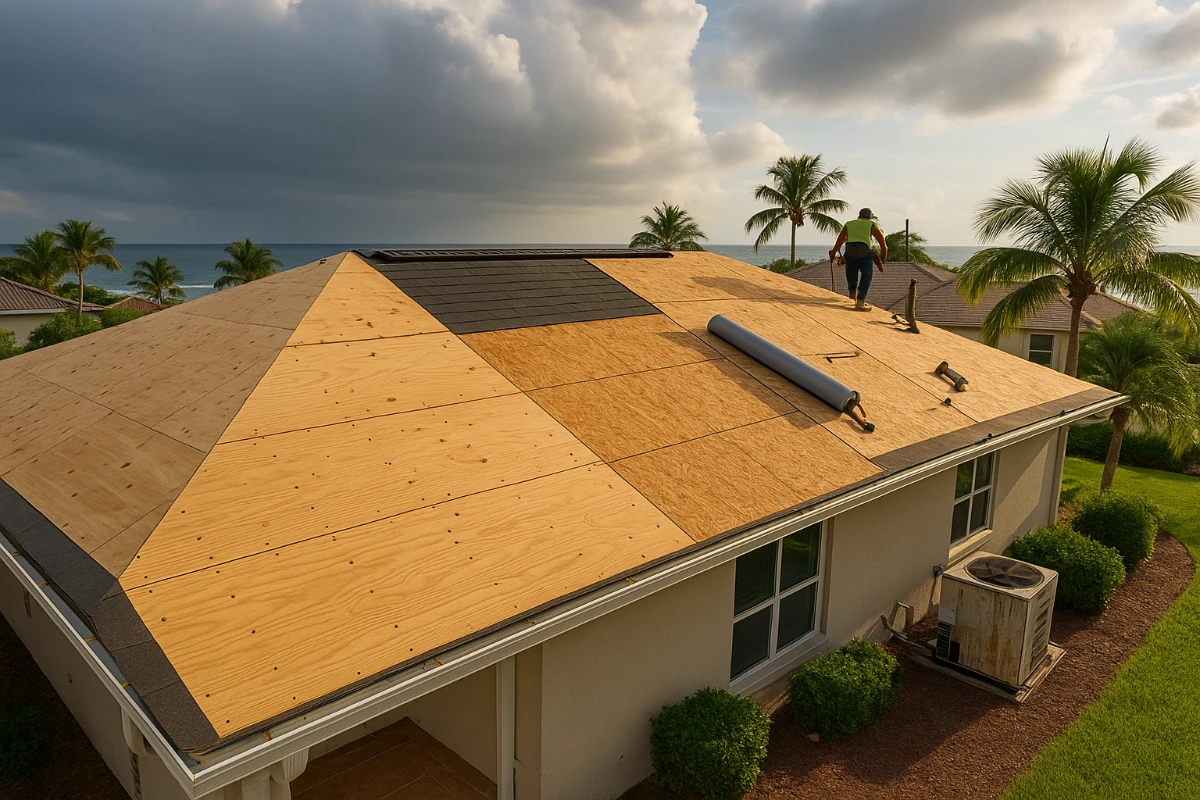
A roof replacement can be a very complex job. It requires careful planning, meticulous execution, and materials that can withstand all types of weather conditions.
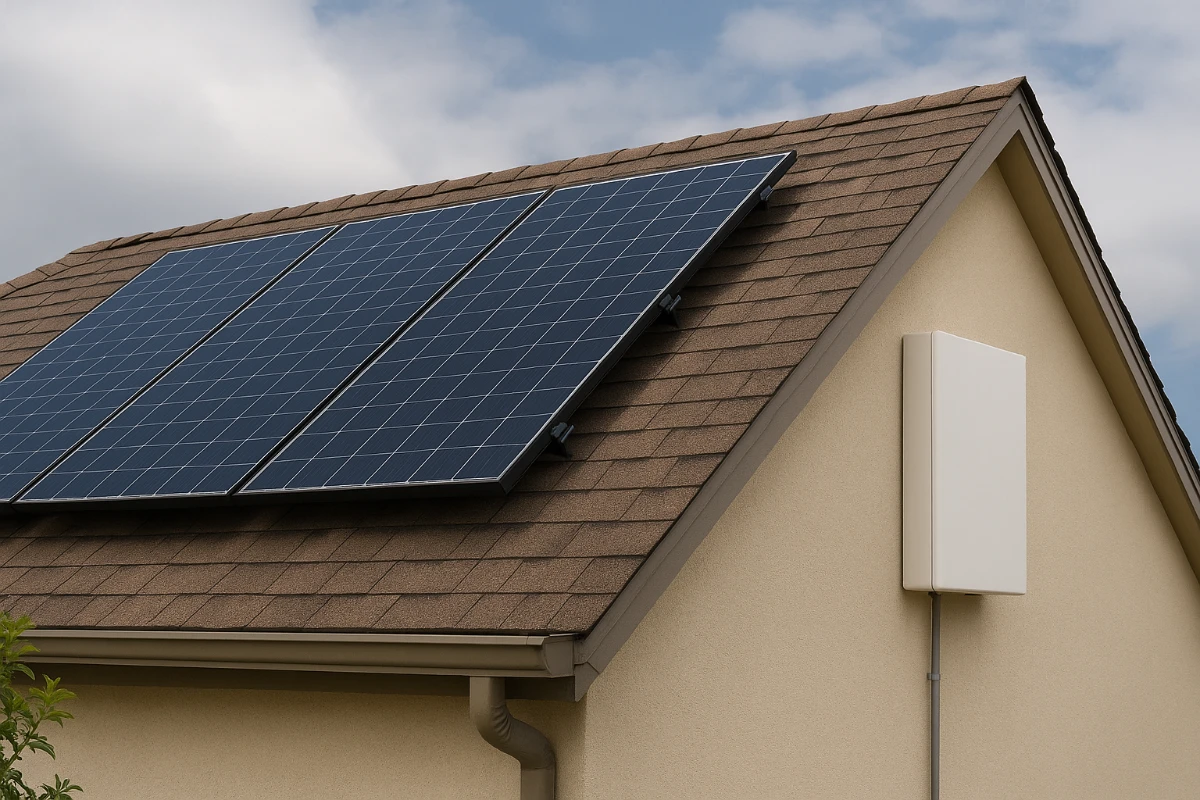
From gutters to flashing to shingles and other components like skylights or solar panels, a roof replacement means more than just swapping out the old for new. Most homeowners do not realize that a roof replacement can also affect their home’s energy efficiency and ventilation.
The price tag on a new roof may look daunting, but it is important to remember that you are investing in the safety and longevity of your home. You will be protecting the structure by shielding against leaks and other damage, while potentially reducing energy costs by improving insulation.
It is also important to note that the cost of a roof replacement can vary greatly depending on the type and quality of materials used, as well as the size and complexity of the project. Taking time to speak with several local roofing contractors about your specific needs and budget can help you make an informed decision that best fits your goals.








3 Responses
My roof is leaking in my bathroom every time it rains it gets a little bigger I need help before my roof falls in it is a very old roof
You can contact us for more information about roof inspections on our website :https://strongholdroofing.com/roof-inspections/
Thinking of using the title 1 property loan
For a new roof.