Skip to content

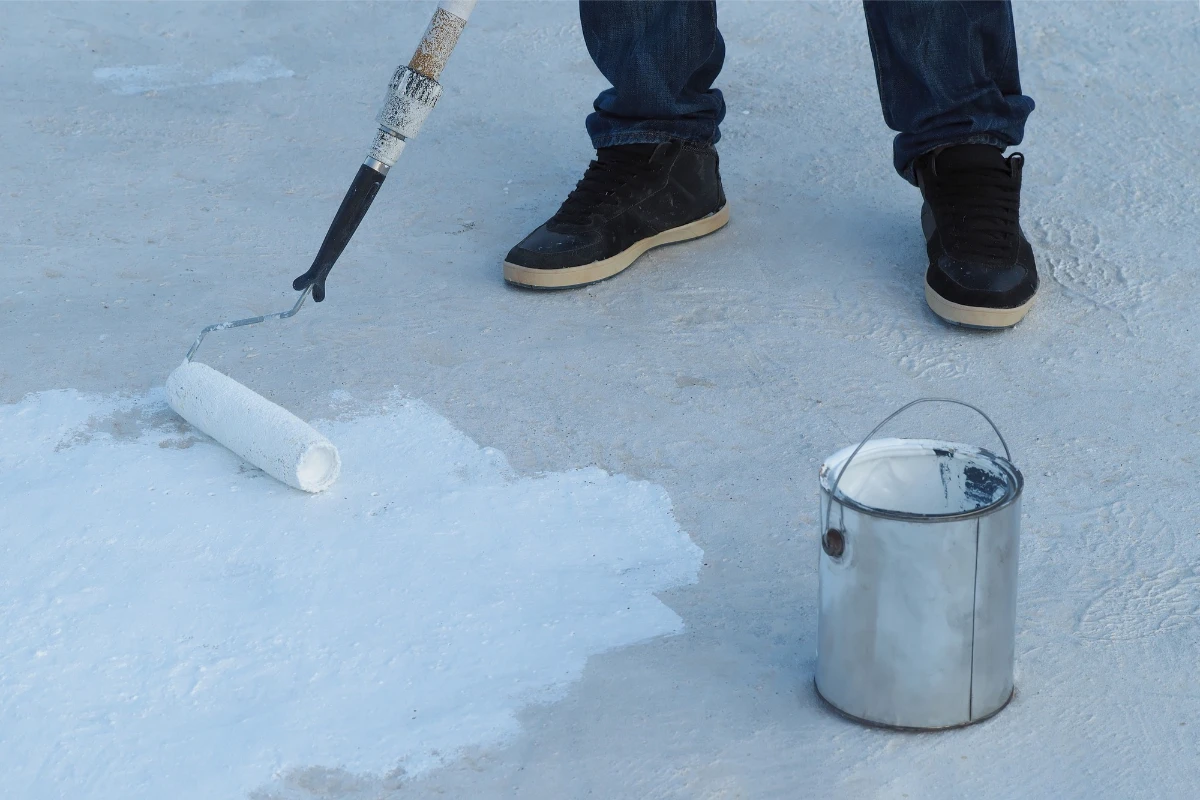
For commercial buildings, roof coatings offer more than just a cosmetic upgrade. They provide critical protection for one of your facility’s most valuable assets. A professionally applied coating can help extend the life of your existing roof system, improve energy efficiency, and reduce long-term maintenance costs.
But like any protective barrier, coatings have a service life. If left uninspected or unmaintained, they can deteriorate over time, leaving the underlying roof system exposed to UV damage, moisture intrusion, and premature failure.
Knowing when it’s time for a refresh isn’t just good maintenance. It’s a smart business decision that can prevent disruptions, preserve capital, and support long-term operational planning.
Why Roof Coatings Matter for Commercial Properties
A commercial roof is more than just a structural necessity; it’s a long-term investment tied to operational costs, tenant satisfaction, and asset value. Roof coatings help maximize that investment by offering an added layer of protection without the high cost or disruption of a full replacement.
Protection from Environmental Exposure
Florida’s climate can be tough on roofing systems. High UV levels, wind, and heavy rain all accelerate wear and tear. A quality roof coating protects the underlying membrane from sun damage and water infiltration, helping to prevent leaks and structural issues.
Lower Energy Costs
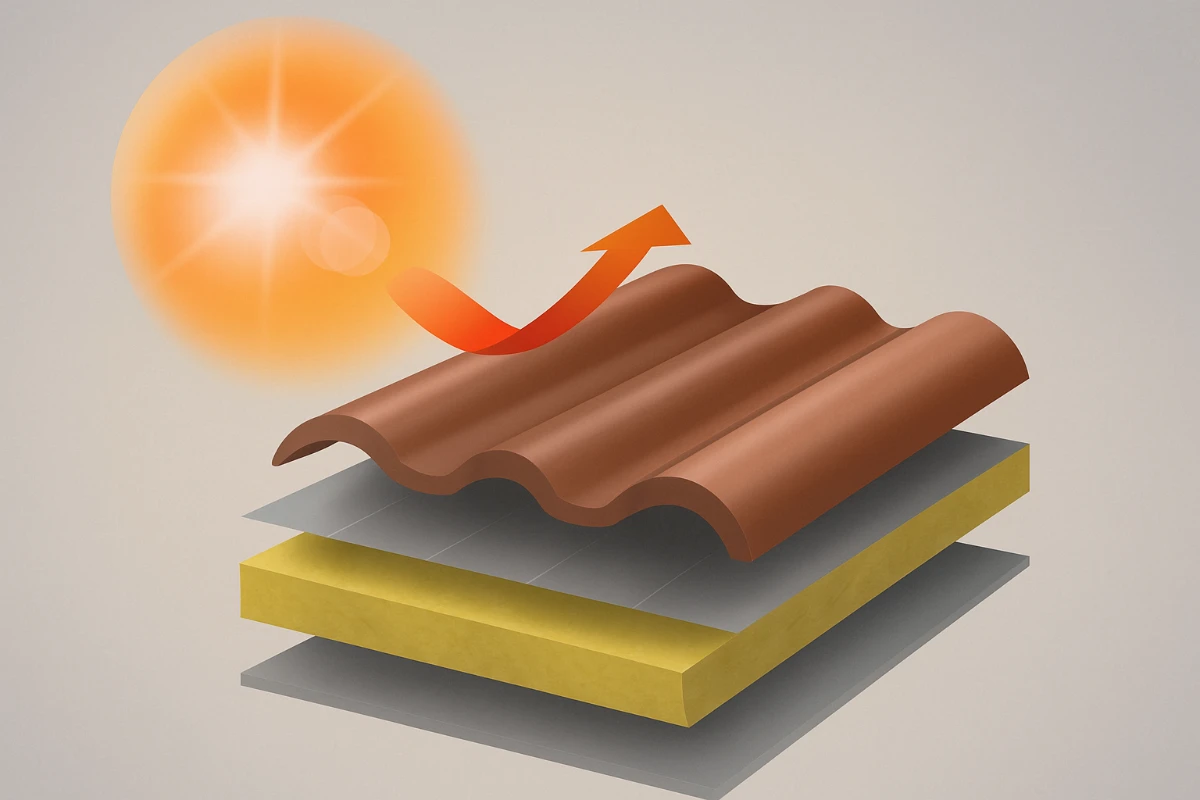
Reflective coatings reduce rooftop temperatures by deflecting sunlight, which can lower indoor cooling loads. For large buildings or facilities with flat roofs, that translates to noticeable energy savings, especially during peak summer months.
Extended Roof Life
Coatings are often applied to aging or weathered roofs to restore surface integrity. Instead of tearing off and replacing the entire system, many commercial property owners can extend the roof’s service life by 10 years or more with a properly maintained coating.
Minimal Disruption to Business
Roof replacement is expensive and time-consuming. In contrast, applying or reapplying a coating typically involves far less downtime and can often be completed without closing the building or displacing tenants.
Sustainability and Compliance
Restoring rather than replacing a roof reduces construction waste and supports sustainability goals. Many coatings also contribute to LEED credits or meet cool roof requirements for energy code compliance.
Factors Affecting the Lifespan of a Commercial Roof Coating
No roof coating lasts forever, but when selected and applied correctly, it can deliver reliable performance for years. The expected lifespan varies depending on the material, installation quality, and the environmental conditions your building is exposed to.
Material Type
- Acrylic coatings typically last 5 to 7 years and offer solid UV reflectivity but are less effective in areas with frequent ponding water.
- Silicone coatings are highly resistant to water and weathering, often lasting 10 to 15 years, making them a strong choice for Florida’s climate.
- Polyurethane coatings perform well in high-traffic areas and can last up to 12 years, especially on roofs where impact resistance is important.
Surface Preparation and Application
Coatings rely heavily on proper prep. If the roof isn’t cleaned, primed, and sealed correctly before application, even a high-quality coating will break down faster. This is why professional installation matters; cutting corners upfront often leads to shorter lifespans.
Climate Conditions
Florida’s heat, humidity, and storms can reduce the effective lifespan of a coating compared to buildings in milder climates. UV exposure, wind-driven rain, and temperature fluctuations all take a toll.
Roof Type and Drainage
Flat or low-slope roofs are more prone to ponding, which can degrade certain types of coatings over time. Good drainage extends the life of the coating, while persistent standing water shortens it.
Most commercial roofs should be evaluated for recoating every 5 to 10 years, depending on these factors. Regular inspections can help catch early signs of failure before they lead to more expensive repairs.
Signs It’s Time to Recoat
Even if your roof coating looks intact from a distance, small issues can quietly develop that compromise the entire system. Knowing what to look for can help you schedule maintenance before minor wear turns into costly repairs or interior damage.
- Cracking and peeling – Visible cracks or peeling edges often signal that the coating is losing adhesion or flexibility. This usually happens as the material ages or if the surface wasn’t prepared properly before application. Left untreated, these openings can allow water to penetrate the roof system.
- Fading and loss of reflectivity – Over time, the coating’s reflective surface may degrade due to constant UV exposure. A faded or chalky appearance can mean increased rooftop temperatures and higher energy costs.
- Ponding water – Some coatings, like silicone, are designed to handle occasional standing water. Others are not. If water is collecting in the same spots after every rain, it may indicate that the coating has become uneven or that underlying drainage issues are accelerating wear.
- Interior leaks or stains – Water stains inside the building or around HVAC units could suggest that the roof’s top layer is no longer sealed. Even small leaks can damage insulation, ceiling tiles, or electrical systems, leading to business interruptions or liability concerns.
- Blistering or soft spots – Raised blisters or spongy areas underfoot may indicate trapped moisture or poor adhesion. These spots can eventually rupture and create direct paths for water to reach the membrane.
- Excessive dirt or chalky residue – A powdery surface that rubs off easily could signal that the coating is breaking down due to oxidation. This often appears before more obvious signs of damage and can be a good early indicator that it’s time to schedule an inspection.
Delaying a roof recoat might seem like a way to stretch your budget, but it often leads to far more expensive consequences. Coatings are designed to prevent damage, not fix it, and once that protective layer fails, problems can escalate quickly.
- When a coating begins to crack, peel, or break down, water intrusion becomes a real threat. What starts as a small leak can lead to saturated insulation, damaged decking, or compromised structural components.
- One of the biggest advantages of a roof coating is its ability to extend the lifespan of the existing system. If the coating is allowed to degrade too far, the underlying materials can become irreparably damaged.
- As coatings lose their reflective properties, rooftop temperatures increase. That heat can transfer into the building, increasing your HVAC workload and driving up utility costs
- A failing roof can impact tenants, customers, and day-to-day operations. Water damage, mold, and emergency repairs often mean downtime, relocation, or temporary closures.
Stronghold Roofing & Solar: Commercial Roof Coating Experts
At Stronghold Roofing & Solar, we understand the unique demands that commercial properties face in Lakeland’s challenging climate. Our roof coating services are designed to help business owners, property managers, and facility operators extend the life of their roofing systems while reducing long-term costs and disruptions.
Our roofing company doesn’t believe in one-size-fits-all solutions. Instead, we evaluate your existing roof, assess your operational needs, and recommend the coating system that offers the best protection and value.
If your commercial roof is showing signs of wear, reach out to Stronghold Roofing & Solar. From free roof estimates to help in deciding whether a new coating can restore performance, our Lakeland roofers are here to help.
FAQ’s – Commercial Roof Coating
How often should a commercial roof be recoated?
Most commercial roof coatings last between 5 and 15 years, depending on the material, climate, and roof conditions. In Florida, it’s a good idea to begin inspections around year five and plan for recoating before visible deterioration begins.
What types of coatings are best for commercial buildings?
Silicone coatings are ideal for flat roofs or areas with ponding water, while acrylics offer excellent UV protection. Polyurethane coatings are often used in high-traffic areas or where impact resistance is important. The best option depends on your specific roof type and building needs.
Can a coating fix a leaking commercial roof?
A coating can help prevent future leaks, but it’s not a fix for major damage. If the roof has existing leaks, those areas need to be repaired before applying a new coating. A professional roofer can determine whether your system is a good candidate.
Does recoating require shutting down my business?
In most cases, no. Recoating is far less disruptive than a full roof replacement and can often be done while the building remains open. Your roofing contractor can work around operational hours to minimize any impact.
Is roof coating a good investment for older buildings?
Coating can extend the life of aging roofs and defer the cost of full replacement. It also improves energy efficiency, which can reduce monthly operating expenses, especially valuable for large or multi-tenant facilities.