Skip to content


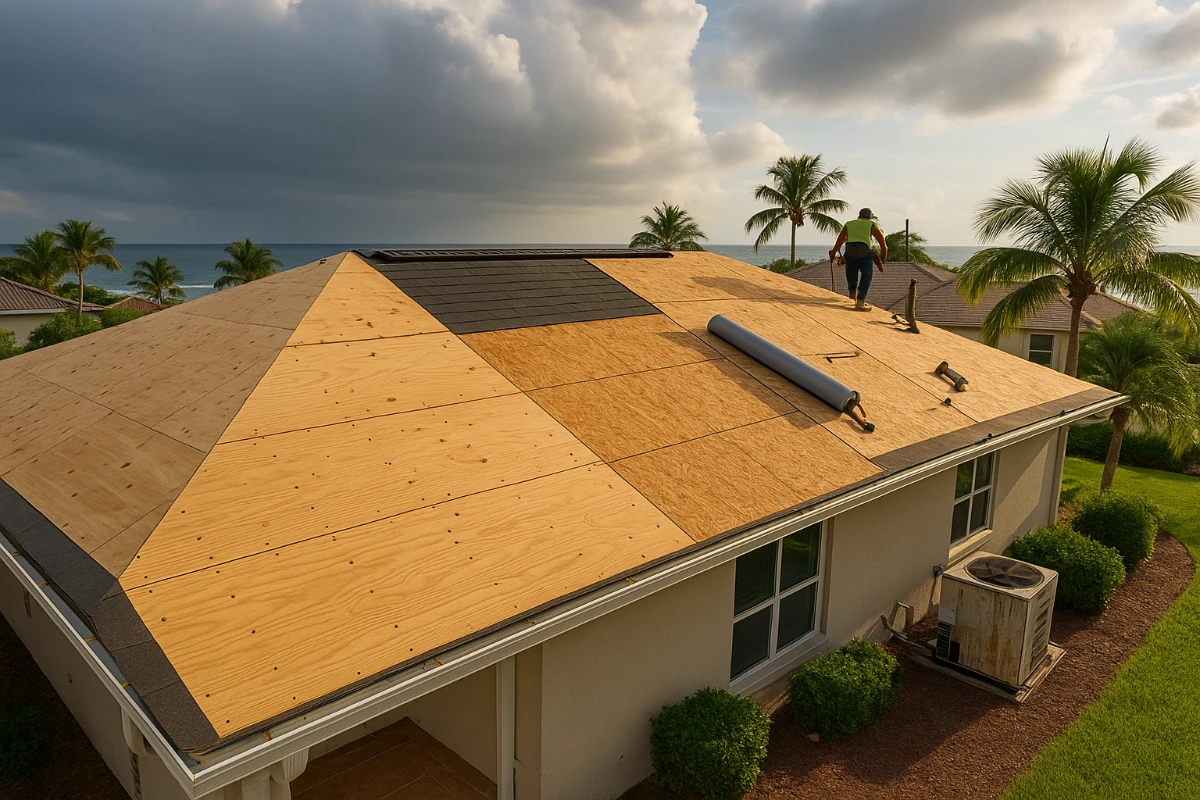
Florida homes have to deal with more than just sunshine. Intense heat, heavy rains, and the threat of tropical storms all put pressure on a roof to do more than cover a house. The right choice can mean lower energy bills, better protection, and a look that matches the character of the neighborhood. The wrong choice can lead to costly repairs and constant upkeep.
That’s why picking between shingle, metal, tile, or flat roofing isn’t just about style. Each has strengths and drawbacks in Florida’s climate, and understanding those differences can make the decision a lot less stressful.
Common Florida Roof Types
Florida’s weather and architecture have shaped the kinds of roofs most often seen across the state. From coastal neighborhoods with salt air to inland areas exposed to heavy rains, certain materials have proven to handle these conditions better than others.
While styles vary from traditional to modern, four roof types dominate Florida homes and businesses. Each reflects a balance of cost, durability, and design that appeals to different needs and preferences.
Shingle Roofs
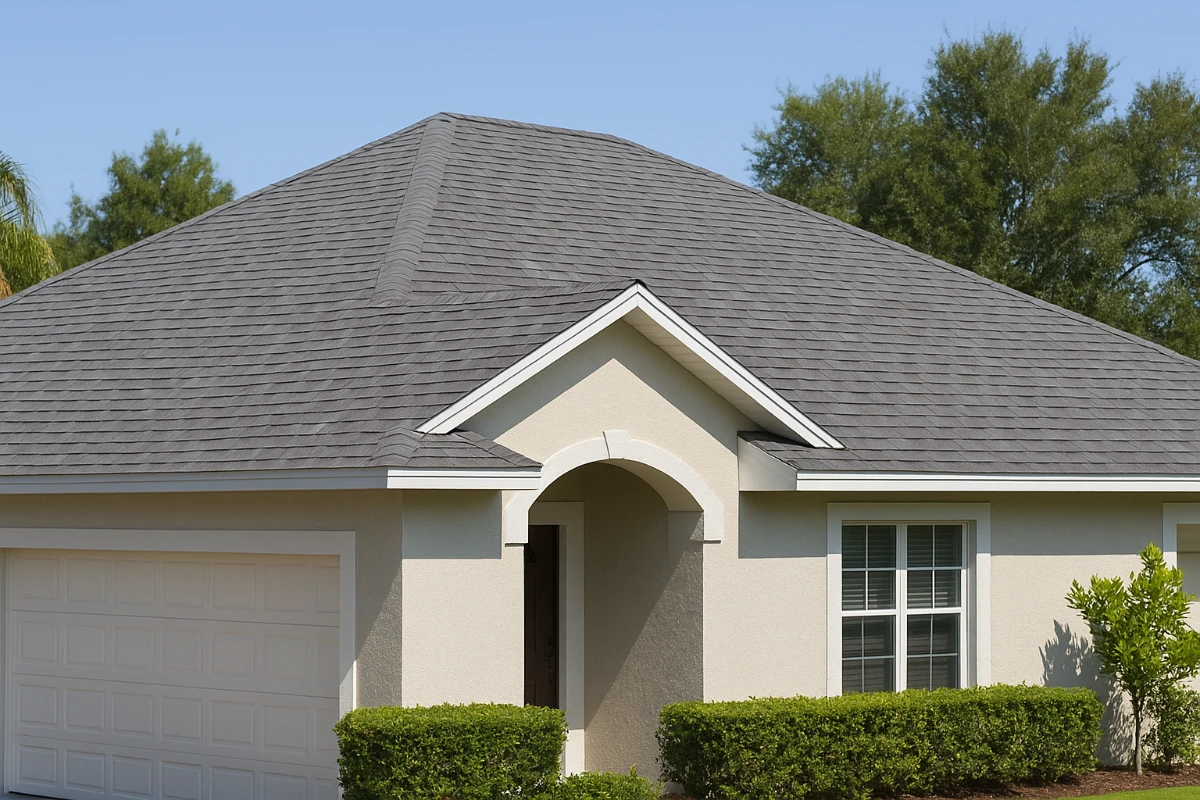
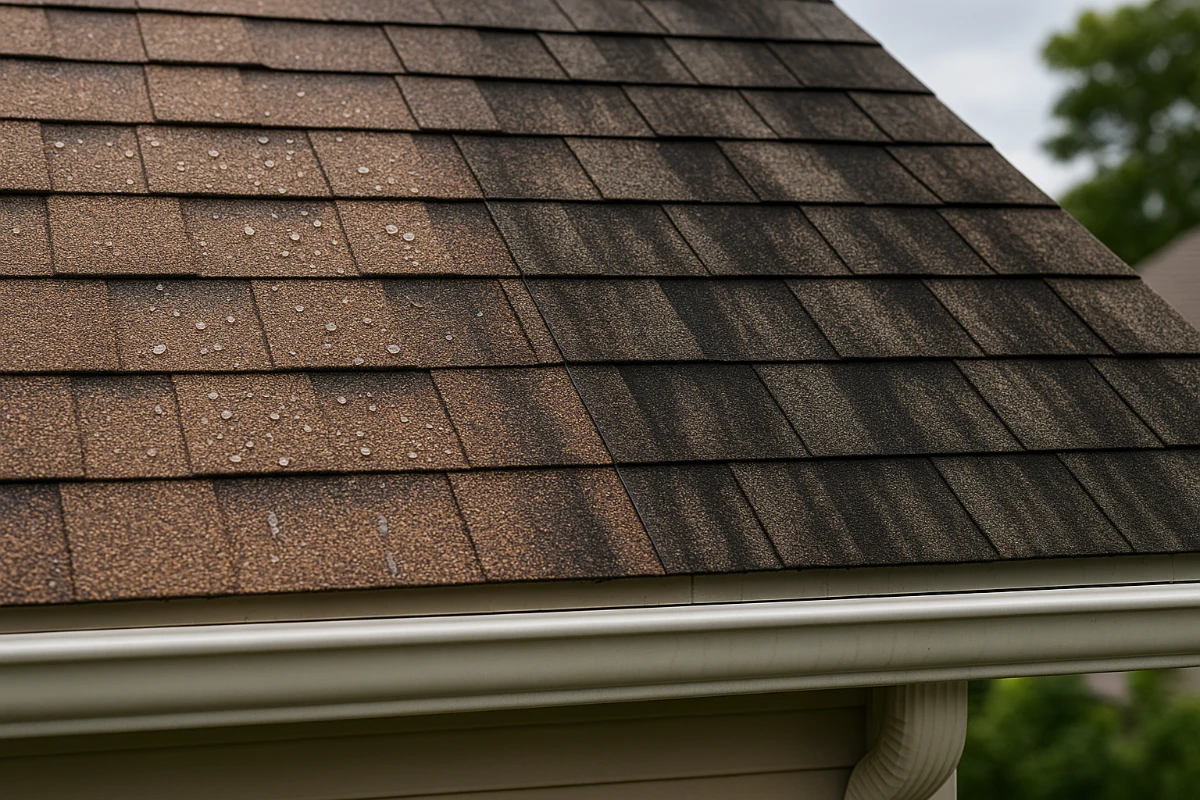
Shingles are the most widely used roofing material in Florida because they balance cost and versatility. They’re available in many colors and styles, making it easy to match the look of almost any home. But while shingles are budget-friendly, they don’t always hold up as long as other options in Florida’s climate.
Pros
- Affordable installation: Shingles are the least expensive option upfront, which is why so many Florida homeowners choose them.
- Wide variety of styles: Available in many colors and textures, allowing for flexibility in curb appeal.
- Easier repairs: Damaged sections can often be replaced without tearing off the entire roof.
Cons
- Shorter lifespan: Most shingle roofs last 15 to 20 years in Florida, which is less than metal or tile.
- Weather vulnerability: High winds and heavy rain during tropical storms can strip shingles or cause leaks.
- Heat and humidity wear: Intense sun and moisture can cause shingles to curl, crack, or lose protective granules.
Metal Roofs

Metal roofs are becoming increasingly popular in Florida, especially for homeowners who want a long-lasting and energy-efficient option. These roofs reflect heat, resist fire, and can last decades longer than traditional shingles. They also perform well against strong winds, which makes them a smart choice in areas prone to tropical storms.
Pros
- Exceptional lifespan: A well-installed metal roof can last 40 to 50 years or more, making it one of the most durable options.
- Energy efficiency: Reflects sunlight and reduces heat absorption, which can help lower cooling costs in Florida’s hot climate.
- Storm resistance: Strong panels and secure fastening systems provide excellent protection in high winds and heavy rain.
- Low maintenance: Resistant to rot, mold, and insect damage.
Cons
- Higher upfront cost: Metal roofing can be two to three times more expensive than shingles at installation.
- Noise factor: Rain and debris may be louder on a metal surface, though insulation can reduce this issue.
- Professional installation required: Mistakes in installation can compromise performance, so choosing an experienced roofing company is essential.
Tile Roofs

Tile roofs are a classic choice in Florida, especially in Mediterranean or Spanish-style neighborhoods. Made from clay or concrete, they are known for their beauty and ability to withstand heat and sun exposure. While tile is one of the longest-lasting roofing options, it also comes with higher costs and specific structural requirements.
Pros
- Long lifespan: Tile roofs can last 50 years or more when properly maintained, outlasting shingles and sometimes even metal.
- Heat resistance: Tiles naturally reflect sunlight and insulate well, helping keep homes cooler in Florida’s hot climate.
- Storm durability: Heavy tiles are resistant to high winds and don’t burn, making them a safe option in storm-prone areas.
- Distinctive style: Adds architectural character and is highly valued in many Florida communities.
Cons
- High upfront cost: Tile is one of the most expensive roofing materials to purchase and install.
- Weight: Tiles are heavy and may require structural reinforcement of the roof deck.
- Fragility: While durable, tiles can crack if walked on or struck by falling debris, leading to costly repairs.
Flat Roofs

Flat roofs are less common on single-family homes in Florida but are widely used on commercial buildings and some modern residential designs. Their low profile can create a sleek appearance, but the lack of slope makes them more vulnerable to water problems if not properly maintained.
Pros
- Cost-effective installation: Generally less expensive to install than pitched roofs because they use fewer materials.
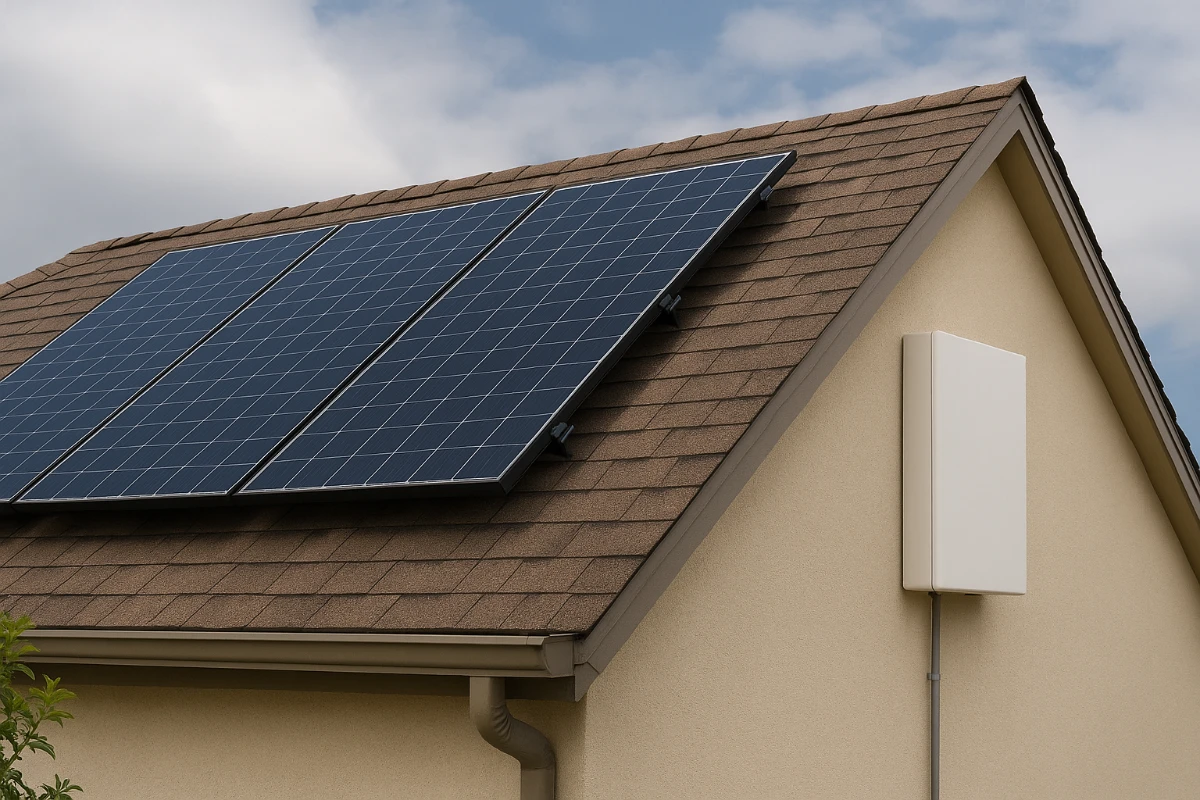
- Space efficiency: Can be used for rooftop equipment, solar panels, or even outdoor living areas on some homes.
- Easier access: Flat roofs are safer and simpler to walk on for inspections and maintenance.
Cons
- Drainage issues: Without proper slope and drainage systems, water can pool and lead to leaks or structural damage.
- Heat absorption: Flat roofs absorb more heat, which can increase cooling costs unless coated with reflective materials.
- Shorter lifespan: Even with coatings, most flat roofs last 15 to 25 years, shorter than tile or metal options.
- Frequent maintenance: Require regular inspections and upkeep to stay watertight.
Choosing the Right Roof for Your Home
When comparing roof types, it helps to think about the lifetime cost rather than just the initial price tag. Installation is only one part of the equation. Shingles, for instance, are inexpensive upfront but may need replacing every 15 to 20 years. Over a 50-year span, that could mean two or even three full replacements. Metal or tile, while far more costly at the start, can last just as long without replacement, and often require fewer repairs along the way. Flat roofs tend to fall somewhere in between, but regular coatings and inspections add to their long-term cost.
Repairs and upkeep also affect the bottom line. Shingle roofs may lose granules or suffer storm damage that demands frequent patching. Flat roofs can develop drainage issues that need immediate attention. By contrast, tile and metal typically require fewer repairs but may involve higher costs if something does go wrong.
Energy bills add another layer to the lifetime cost. Metal reflects sunlight, reducing cooling expenses in hot months, while tile insulates well, helping stabilize indoor temperatures. Shingles and flat roofs usually offer less efficiency unless upgraded with special coatings or underlayment. Over decades, these differences in energy use can add up to thousands of dollars in savings or extra costs.
Beyond finances, appearance and neighborhood standards matter as well. Tile roofs can add architectural character, while shingles offer a more traditional look that blends into many Florida communities. Homeowners’ associations may also have rules about color, material, or style, so it’s important to check requirements before making a choice.
Warranty coverage is another key consideration. Some materials come with extended manufacturer warranties that protect against defects, and contractors may also offer workmanship guarantees. Evaluating these protections can give peace of mind and help offset future costs.
Stronghold Roofing & Solar – Your Lakeland Roofers
Selecting the right roof in Florida isn’t a simple decision, but you don’t have to make it alone. Stronghold Roofing & Solar has extensive experience with shingle, metal, tile, and flat roofs, and we understand how each performs in Lakeland’s challenging climate.
From helping you weigh your options to providing expert installation and maintenance, our team is here to ensure your home is protected and your investment lasts. Reach out today for a free roof estimate.
FAQ | Roof Types
How long do different types of roofs last in Florida?
Shingle roofs usually last 15 to 20 years, while metal can last 40 to 50 years. Tile roofs often exceed 50 years, and flat roofs typically last 15 to 25 years with proper maintenance.
Which roof type is best for tropical storms?
Metal and tile roofs generally perform best in high winds and heavy rains. Shingles can still be effective but may require more frequent repairs after severe storms.
Are tile roofs worth the cost in Florida?
For homeowners planning to stay long-term, tile roofs are often worth the investment. They last for decades, provide excellent protection, and add curb appeal, though they come with higher upfront costs.
Can flat roofs work well on homes here?
Yes, but they require careful design and regular upkeep. Flat roofs need proper drainage and protective coatings to prevent water damage in Florida’s rainy climate.
What is the most energy-efficient roof type?
Metal roofs are highly energy efficient because they reflect heat, while tile roofs also perform well thanks to their insulating properties. Reflective coatings can improve efficiency on flat roofs.