Skip to content

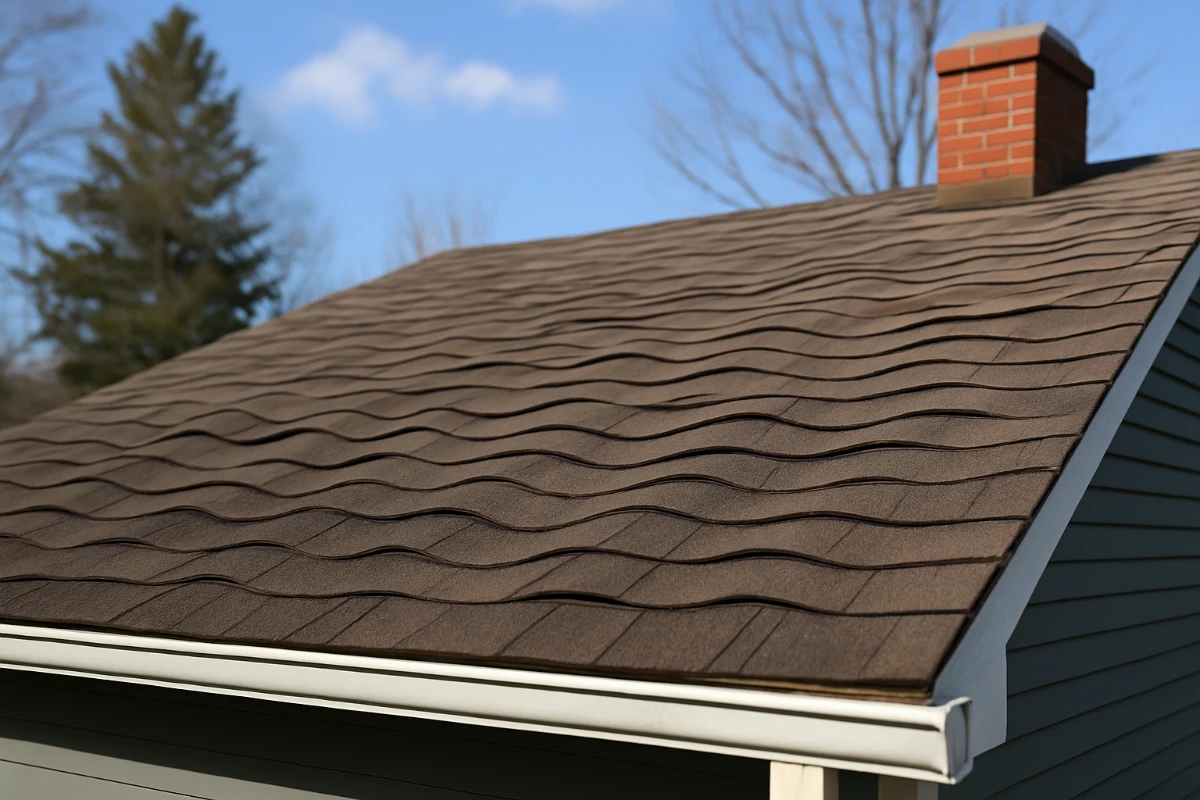
It’s not uncommon for homeowners to glance up at their roof and notice something looks… off. Instead of a smooth, flat surface, there’s a ripple here, a dip there. That’s often the first sign of a wavy roof.
A wavy-looking roof can be alarming, especially if it wasn’t noticeable before. But not every wave is a sign of major trouble. Some are harmless quirks of roofing materials or installation. Others, though, can point to bigger issues hiding just below the surface.
What a “Wavy” Roof Looks Like
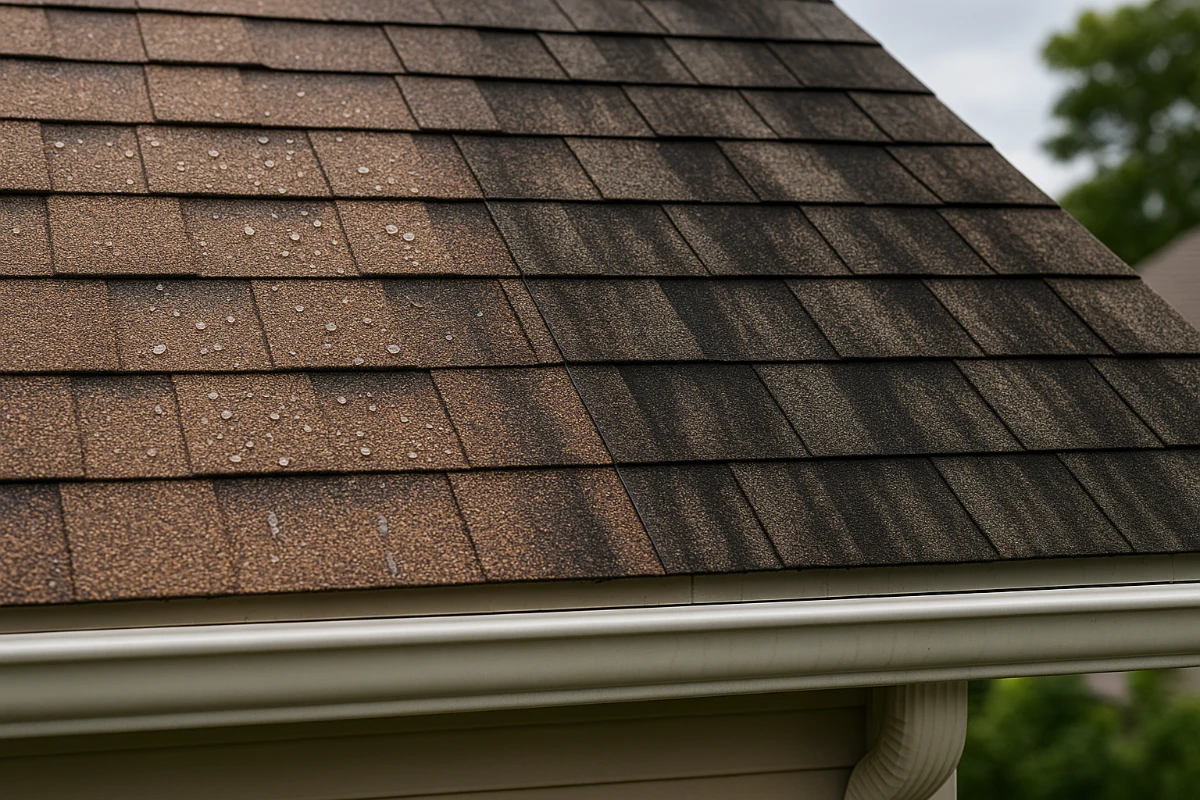
A roof that looks wavy might show subtle dips, ripples, or uneven lines across its surface. From the ground, it can appear as if the shingles aren’t lying flat or the roofline has developed an unusual curve. Sometimes, it’s only noticeable in certain lighting, such as when the sun casts shadows across the roof.
Homeowners often describe it as looking warped or saggy, even if the shingles themselves seem to be intact. This visual distortion can affect part of the roof or appear across large areas, and the underlying cause can vary widely depending on the roof’s age, materials, and construction.
Normal or Not? Situations Where a Wavy Look Is Common
A wavy appearance doesn’t always mean there’s a serious problem. In some cases, it’s a normal part of the roofing process or a minor cosmetic issue that doesn’t affect performance.
New Asphalt Shingle Roofs Settling
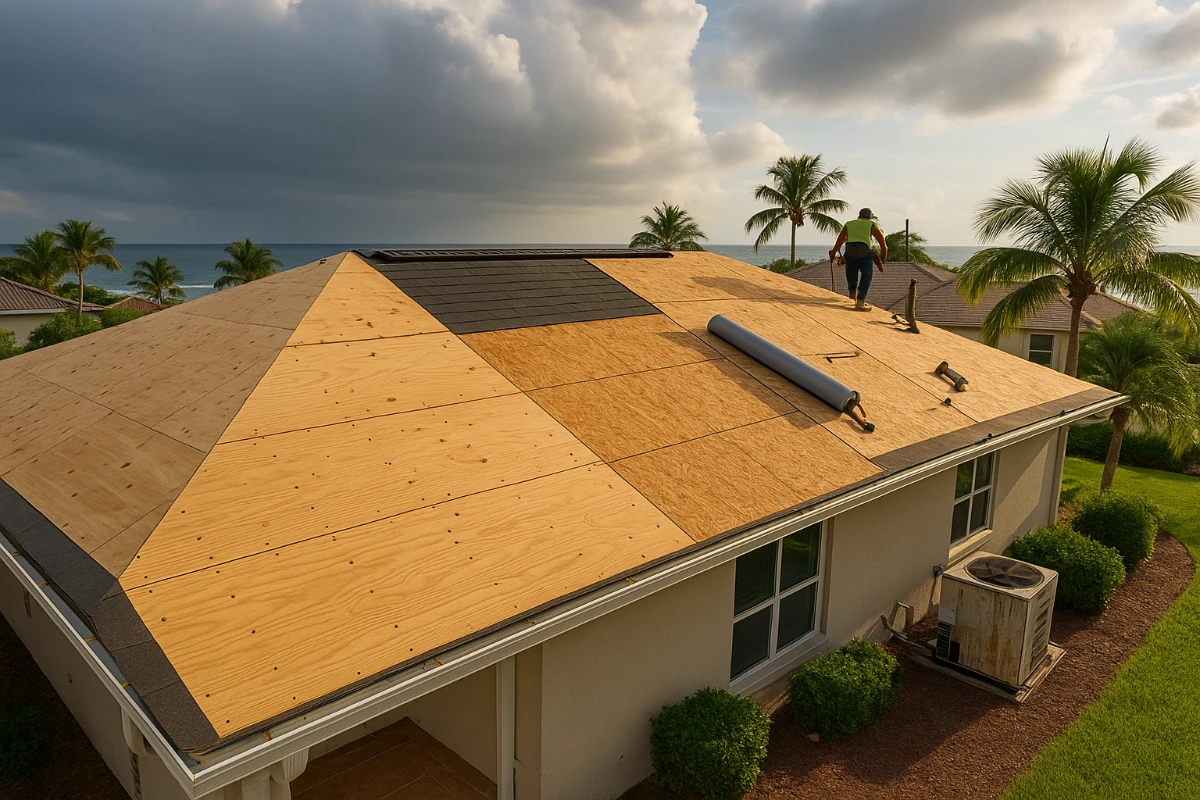
If your roof was recently replaced, slight waviness may appear as the new shingles begin to settle. This can happen as the materials adjust to temperature changes and the underlayment flattens out. In many cases, the roof will even out over time, especially after a few weeks of warm weather.
Minor Decking Unevenness on Older Homes
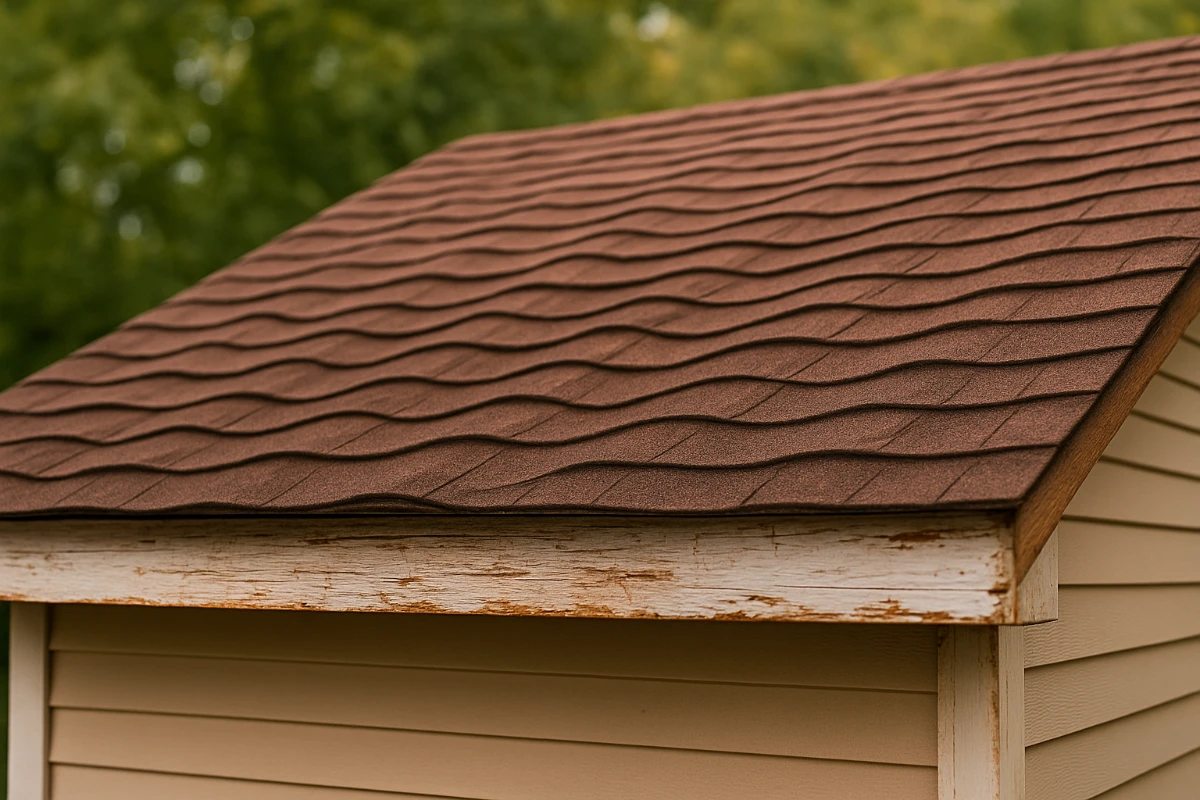
Older homes often have roof decking made from wood planks or thinner materials. Over time, those boards may shift slightly or develop mild warping. If the underlying structure is still sound, these minor imperfections may not require any action.
Humidity and Moisture Effects on Underlayment
In humid climates like Florida, roofing felt or synthetic underlayment can absorb moisture and expand slightly before the shingles are fully nailed down. This can temporarily create a wavy look, particularly if installation was done on a damp day. Once the roof dries and the shingles are secured, the surface often smooths out.
When a Wavy Roof Signals a Problem
While some waviness is harmless or temporary, other cases point to deeper issues that shouldn’t be ignored. If the waves become more pronounced over time or appear suddenly, it’s worth taking a closer look.
Improper Installation
One of the most common causes of a wavy roof is poor installation. If shingles aren’t aligned properly or fastened securely, they may lift or buckle. The same goes for underlayment that was installed over uneven decking or without allowing proper ventilation. These mistakes can lead to visible ripples and reduce the lifespan of the roof.
Warped or Damaged Roof Decking
Roof decking (the wooden surface beneath the shingles) can warp or sag due to age, moisture, or structural movement. When the decking isn’t flat, the shingles on top will naturally follow the uneven surface, creating visible waves. Left unaddressed, this can worsen over time and lead to leaks or other damage.
Structural Issues in the Attic or Framing
Sometimes, the issue isn’t with the roof materials at all. If the framing or trusses beneath the roof have shifted, bowed, or weakened, the entire roof structure can develop a wavy appearance. These problems often require a more in-depth inspection and may involve structural repairs beyond just the roof.
Water Damage or Rot Beneath the Surface
Excess moisture from leaks or condensation can cause the wood beneath the shingles to soften and sag. Over time, this can lead to rot and a visibly uneven roof surface. If you notice waves in areas where water has previously pooled or where leaks have occurred, it could be a sign that the damage is spreading below the surface.
How to Tell the Difference

It can be tough to know whether a wavy roof is a harmless quirk or a sign of something more serious. The key is to look for patterns, timing, and changes over time.
- If the roof is brand new, slight waviness may be part of the settling process. But if it’s been in place for years and suddenly looks uneven, that’s a red flag.
- Waves or dips that appear after a storm or stretch of heavy rain may suggest moisture damage or structural stress.
- Widespread ripples across the roof may be due to installation or material issues, while isolated dips could point to decking or framing concerns.
Any time you notice new or worsening distortion, especially if paired with signs like leaks, sagging, or mold inside your home, it’s best to call in a professional for an inspection.
When a professional roofer inspects a wavy roof, they won’t just look at the shingles. A thorough assessment includes the entire roofing system, from the surface materials to the structure underneath.
- Shingle alignment and fastening: They’ll check whether shingles were installed evenly and properly secured. Misaligned rows or lifted tabs can cause a rippled look.
- Underlayment condition: The roofer will examine the felt or synthetic layer beneath the shingles for signs of moisture damage or wrinkling.
- Roof decking: They’ll walk the roof to feel for soft spots, sagging areas, or visible dips. Any flex in the surface may indicate warped or rotting wood.
- Attic and ventilation: Inside the attic, they’ll look for signs of moisture, poor airflow, or structural issues with the framing. Improper ventilation can lead to heat and humidity buildup, which contributes to roof deformation.
- Previous repairs or layering: Roofs with multiple layers or patchwork repairs may develop uneven spots over time, especially if the underlying surface wasn’t prepped correctly.
This kind of inspection helps determine whether the waviness is cosmetic, temporary, or a sign of something that needs fixing.
Fixing a Wavy Roof: What to Expect
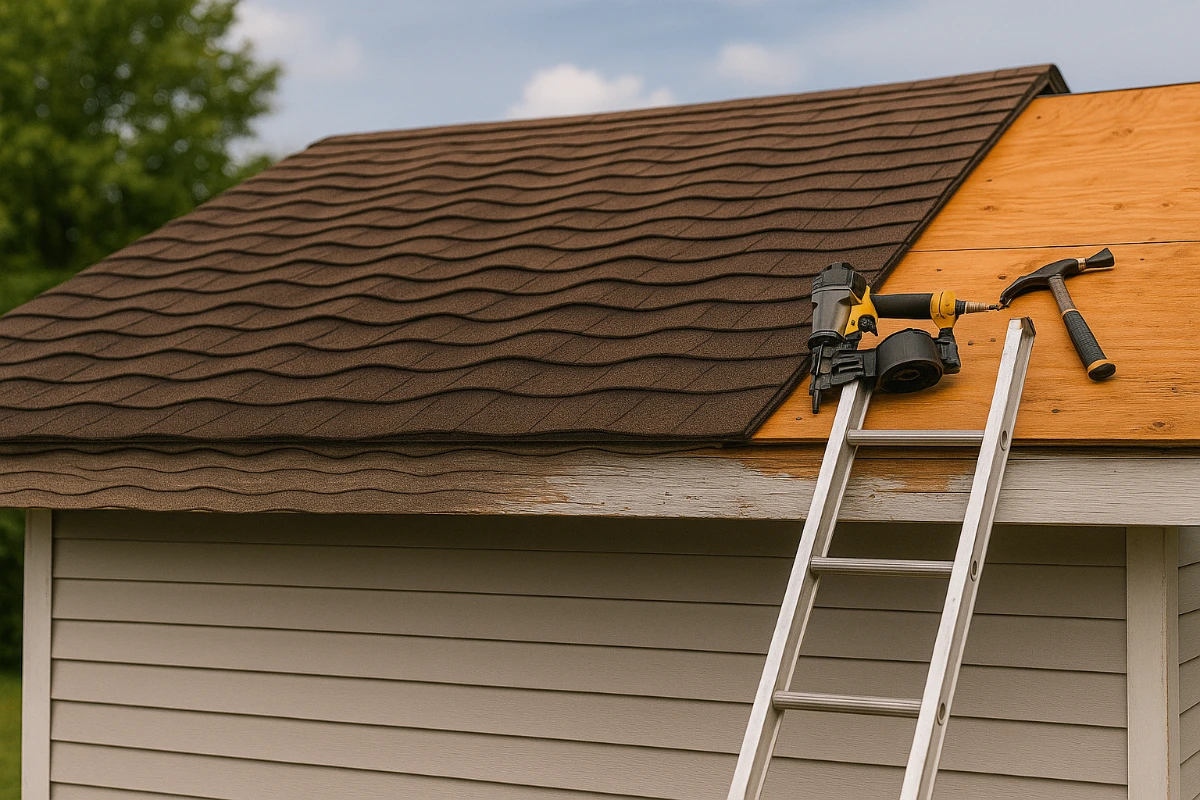
If your roof’s uneven appearance is more than a cosmetic issue, a professional roofer can recommend the best course of action. The type of repair depends on the underlying cause.
- Minor surface issues: If the waviness comes from new shingles settling or underlayment wrinkles, no action may be needed. A roofer might suggest waiting a few weeks to see if the surface smooths out naturally.
- Decking problems: Warped or damaged decking may need to be replaced. In some cases, only the affected section requires repair. In others, especially on older roofs, a full tear-off and re-decking may be more cost-effective long-term.
- Installation errors: If improper shingle placement or poor underlayment installation is the issue, corrections can sometimes be made without redoing the entire roof—but that depends on how widespread the problem is.
- Structural concerns: If framing or trusses are compromised, repairs may involve both a roofer and a contractor. Structural fixes can be more involved and costly, but they’re critical to maintaining the integrity of the home.
The cost and timeline for fixing a wavy roof vary widely. That’s why a detailed inspection is the first and most important step.
Trust the Experts at Stronghold Roofing & Solar
If your roof looks wavy, it’s worth getting a professional opinion, especially in Florida’s humid climate, where moisture and heat can quickly turn small issues into major repairs. The experienced team of Lakeland roofers at Stronghold Roofing & Solar knows how to spot the difference between harmless imperfections and problems that require attention.
Whether you need a simple inspection, roof repairs, or a full roof replacement, Stronghold Roofing & Solar offers quality workmanship, honest advice, and dependable service. If you’ve noticed ripples, sagging, or uneven spots on your roof, schedule an inspection today and get a free roof estimate from the best roofing company in Lakeland.
FAQs – Wavy Roofs
What causes a roof to look wavy?
A wavy appearance can result from normal settling of new shingles, minor unevenness in the roof decking, improper installation, or more serious issues like water damage or structural problems.
Is a wavy roof always a sign of damage?
Not always. Some waviness is harmless, especially in new roofs as materials settle. However, it’s important to rule out underlying issues through a professional inspection.
Can humidity make a roof appear uneven?
Yes. In humid climates like Florida, roofing materials—especially underlayment—can absorb moisture and expand slightly, creating a temporary wavy look.
Will a new roof settle over time?
It’s common for new shingles to appear slightly uneven at first. As the materials warm and settle, the surface often becomes smoother within a few weeks.
How do I know if my wavy roof is serious?
Look for signs like soft spots, leaks, or changes that develop suddenly. If you’re unsure, it’s best to have a roofing professional assess the condition.